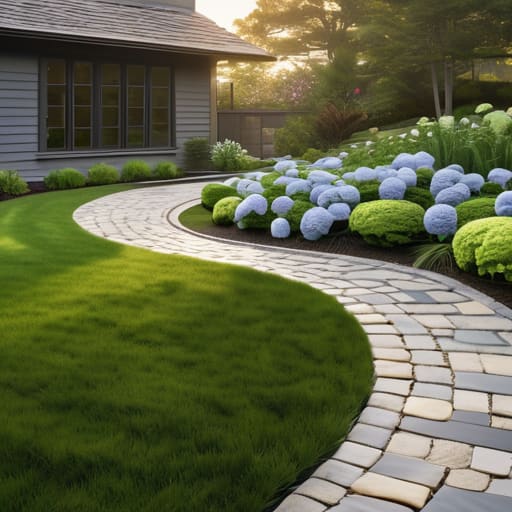
I was standing in the mud of a foreclosure in East Austin last Tuesday, staring at a yard that looked more like a graveyard for rusted lawnmowers than a residential lot. Most “experts” would tell you that you need a five-figure budget and a team of architects to fix a mess like that, but honestly? That’s just a way to drain your margins before you even step inside the house. I’ve seen too many investors get paralyzed by a patch of weeds, missing out on massive ROI because they were looking for high-end landscaping ideas instead of looking for strategic value.
I’m not here to sell you on expensive fountain installations or manicured topiary that requires a full-time gardener to maintain. My goal is to show you how to use smart, low-maintenance greenery and hardscaping to juice your property’s equity without breaking the bank. I’m going to walk you through the exact types of landscaping ideas I use to transform a neglected, dirt-filled lot into a high-value asset that makes buyers fall in love the second they pull into the driveway.
Table of Contents
- Mastering Low Maintenance Backyard Landscaping for Maximum Roi
- Small Garden Layout Solutions to Boost Curb Appeal
- My Top 5 High-Impact Landscaping Plays for Every Flip
- The Bottom Line on Landscaping for Profit
- ## Stop Thinking About Flowers, Start Thinking About Margins
- Turning Dirt into Equity: The Final Blueprint
- Frequently Asked Questions
Mastering Low Maintenance Backyard Landscaping for Maximum Roi
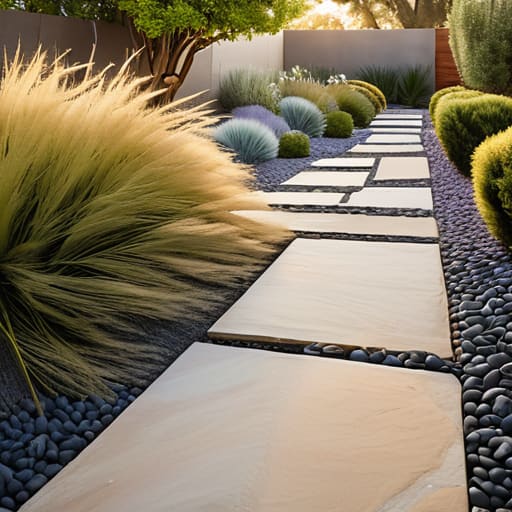
When I’m walking a property, I’m not looking for a garden that requires a full-time groundskeeper; I’m looking for something that looks high-end but runs itself. Buyers want the vibe of an oasis without the weekend-long commitment of weeding and pruning. This is where low maintenance backyard landscaping becomes your best friend for increasing resale value. I always steer my clients toward hardscaping—think clean slate pavers or decomposed granite—paired with hardy, drought-tolerant perennials. It creates a polished, intentional look that says “luxury” rather than “I forgot to mow the lawn.”
If you’re working with a tight footprint, don’t panic. I’ve seen some of my most profitable flips rely on clever small garden layout solutions to make a cramped yard feel expansive. Instead of sprawling flower beds that invite pests and rot, I lean into structural elements like built-in planters or tiered stone edges. By focusing on clean lines and a limited plant palette, you create an outdoor living space design that feels architectural and expensive. It’s about working smarter, not harder, to ensure that every dollar you sink into the dirt translates directly into equity.
Small Garden Layout Solutions to Boost Curb Appeal
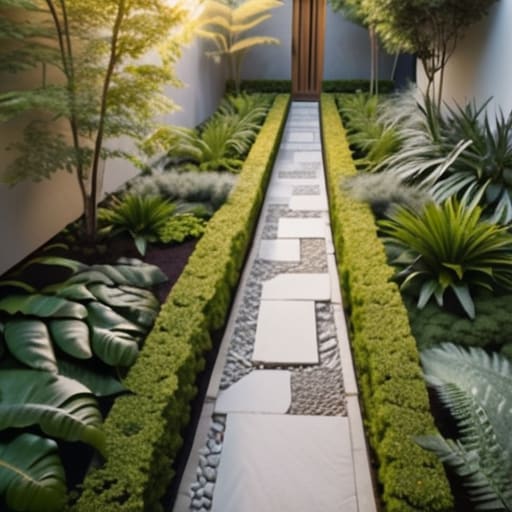
When you’re dealing with a tight lot, you can’t afford to waste a single square inch on dead space. I’ve seen too many investors blow their budget on sprawling lawns that just end up being a chore for the next owner. Instead, focus on small garden layout solutions that prioritize verticality and clean lines. Think built-in planters or tiered stone retaining walls; these don’t just add structure, they create a sense of depth that makes a cramped yard feel intentional rather than accidental.
If you want to play into current modern landscape architecture trends, stop thinking about “filling holes” with random shrubs. You need to treat the exterior like an extension of the floor plan. I always suggest defining specific zones—a small gravel patio for a bistro set here, a narrow perennial border there. By creating these distinct pockets, you’re essentially designing an outdoor living space design that feels high-end and curated. It’s about maximizing the perceived footprint, which is exactly how you squeeze that extra bit of equity out of a modest property.
My Top 5 High-Impact Landscaping Plays for Every Flip
- Focus on hardscaping over softscaping. A clean, stone paver patio or a well-defined gravel path adds much more perceived value than a bunch of expensive perennials that will just die in six months. Hardscape is permanent, looks high-end, and tells a buyer the space is ready for entertaining.
- Invest in smart, automated irrigation. Nothing kills a sale faster than a buyer seeing withered shrubs or realizing they’ll have to spend every weekend watering the yard. A simple, programmable system is a low-cost install that screams “low maintenance” to a potential buyer.
- Use native plants to slash the upkeep. I always look for local species that thrive in our specific climate. Not only does this make the garden look intentional and “at home,” but it also means the next owner won’t be fighting a losing battle against the local soil and weather.
- Layer your lighting for that “magic hour” effect. Don’t just slap a few solar stakes in the ground; install some strategic uplighting on key trees or architectural features. It makes the property look expensive during evening walkthroughs and adds a massive sense of security and depth.
- Don’t neglect the edges. A crisp, clean line between your mulch beds and the lawn is the cheapest way to make a yard look professionally designed. It’s the difference between a “neglected lot” and a “manicured estate,” and it costs you nothing but a little bit of time and a sharp spade.
The Bottom Line on Landscaping for Profit
Stop chasing high-maintenance perfection; focus on hardscaping and hardy plants that look intentional without requiring a full-time gardener to keep them alive.
Curb appeal is your first handshake with a buyer, so prioritize the entryway and front sightlines to ensure the property’s value is felt the second they pull up.
Treat every landscaping decision as a math problem—if the cost of the mulch and shrubs doesn’t translate into a measurable bump in equity, it’s just an expensive hobby, not an investment.
## Stop Thinking About Flowers, Start Thinking About Margins
“When I’m walking a property, I’m not looking for a pretty flower bed; I’m looking for a way to use strategic greenery to mask a structural flaw or boost the perceived value of a cramped lot. Landscaping isn’t a hobby—it’s a high-leverage tool to turn a neglected yard into instant equity.”
Gareth Trelawny
Turning Dirt into Equity: The Final Blueprint
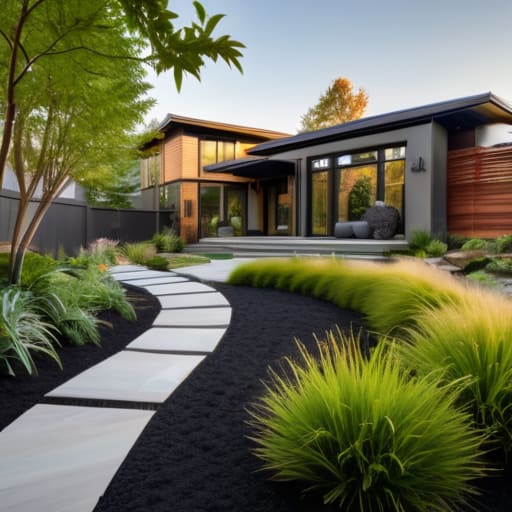
At the end of the day, landscaping isn’t just about making a house look pretty for a weekend photoshoot; it’s about strategic asset management. Whether you’re tackling small-scale curb appeal to win over neighbors or implementing low-maintenance backyard solutions to appeal to the busy modern buyer, every plant and stone you place should serve a purpose. I’ve seen too many investors blow their margins on high-maintenance floral displays that die within a season. Instead, focus on those high-impact, low-effort upgrades we discussed. When you prioritize structural greenery and smart layouts, you aren’t just gardening—you are actively engineering a higher appraisal value for your property.
Don’t let the prospect of a muddy yard or a neglected lot intimidate you. I know exactly how it feels to stand in front of a property that looks like a disaster zone, but that’s exactly where the profit lives. Every patch of weeds is just an opportunity to build more equity if you have the vision to see past the mess. Grab your tools, keep your eye on the ROI, and remember that the most profitable transformations often start from the ground up. You have the eye for potential; now, it’s time to go out there and build your empire, one garden bed at a time.
Frequently Asked Questions
How do I figure out if a massive, overgrown yard is a money pit or a genuine landscaping opportunity?
Look, don’t let a jungle of weeds spook you. To tell if it’s a money pit or a goldmine, look at the bones. Check the grade of the land and the quality of the soil. If the foundation is solid and the lot has good drainage, that overgrowth is just a temporary setback. I see a massive, neglected yard as a blank canvas—it’s much cheaper to clear out weeds than it is to fix a sloping yard or poor soil.
At what point does spending more on high-end hardscaping actually stop yielding a positive return on investment?
Look, I love a high-end bluestone patio as much as the next designer, but you have to watch the math. The moment your hardscaping costs start approaching the total value of the property’s “curb appeal premium,” you’ve overshot the mark. If you’re spending fifty grand on custom masonry for a house that only gains thirty grand in market value, you aren’t investing—you’re just decorating your own loss. Keep it functional, keep it durable, and always prioritize equity over ego.
Are there specific types of plants or landscaping features that help me flip a property faster in certain markets?
In high-turnover suburban markets, stick to “safe” perennials like lavender or hydrangeas; they look established and lush without requiring a degree in botany. If you’re flipping in a desert climate, go heavy on drought-tolerant succulents and gravel mulch—buyers love the “low-water” lifestyle pitch. Most importantly, avoid anything too niche or high-maintenance. You want a buyer to see a finished product, not a weekend chore that’s going to eat their Saturday mornings.
