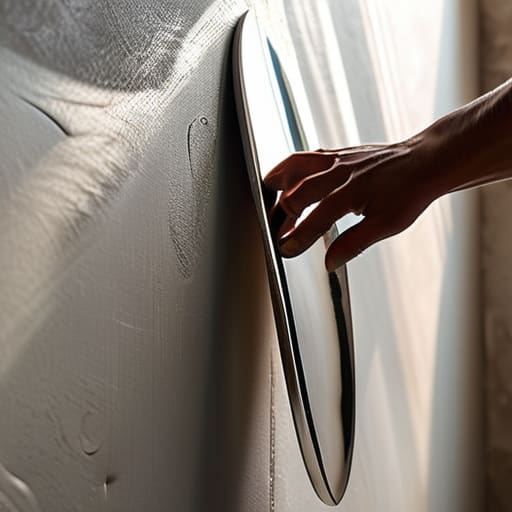
I remember standing in a dusty hallway of a mid-century fixer-upper last autumn, staring at a wall that looked like it had been through a war. The contractor was trying to sell me on a “luxury finish” that cost more than my first car, claiming that venetian plaster was the only way to achieve a high-end look. Honestly? Most people treat this technique like some untouchable, elite secret reserved for billionaire estates, but that’s a total myth. You don’t need a massive budget or a specialized crew from Italy to make it work; you just need to stop listening to the hype and start looking at the actual ROI.
I’m not here to give you a lecture on the history of Italian masonry or sell you on a dream that won’t pay off. I’m going to show you how to use venetian plaster as a strategic tool to drive up property value without bleeding your renovation budget dry. I’ll walk you through the real-world application, the mistakes that will absolutely tank your margins, and exactly when it’s worth the sweat to turn a boring drywall surface into serious, tangible equity.
Table of Contents
Mastering the Polished Plaster Aesthetic for Maximum Roi

When you’re walking through a property with a potential buyer, you aren’t just selling square footage; you’re selling a feeling. This is where the polished plaster aesthetic becomes your secret weapon for driving up the appraisal. Unlike standard drywall that looks flat and uninspired, these high-end finishes catch the light in a way that feels intentional and expensive. If you want to maximize your margins, don’t just slap on a coat of eggshell paint. Instead, lean into luxury wall coatings that transform a generic hallway into a high-design feature. It’s about creating that “wow” factor the moment they step through the door.
However, you have to be smart about your execution to ensure you aren’t just throwing money down a drain. I often get asked about the difference between marmorino vs venetian plaster when I’m consulting on a high-end rehab. While both offer incredible depth, your choice should depend on the specific vibe of the room and your budget for labor. If you’re aiming for a more matte, earthy texture, look toward lime based plaster finishes. They are incredibly durable and breathable, making them a solid long-term investment for properties where you want to signal quality and craftsmanship.
Choosing Between Marmorino vs Venetian Plaster for Your Flip
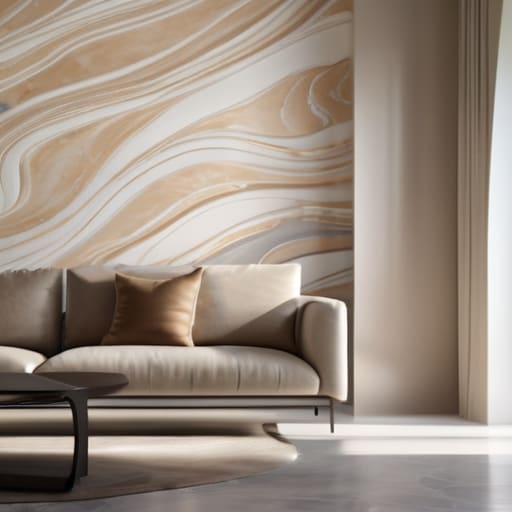
When you’re staring at a budget sheet for a mid-range flip, deciding between marmorino vs venetian plaster isn’t just about the look—it’s about the math. I’ve seen both, and honestly, the choice depends entirely on the vibe of the house you’re reviving. If you’re working on a high-end contemporary build where you want that deep, marble-like sheen, go with the classic approach. It’s labor-intensive, but that polished plaster aesthetic is exactly what triggers a buyer’s “wow” response during an open house.
However, if you’re renovating a more rustic or transitional property, I usually lean toward marmorino. Since these are both lime based plaster finishes, they share that incredible durability and breathability, but marmorino offers a slightly more matte, textured finish. It feels less “precious” and more organic. For me, it’s all about the ROI; you don’t always need the highest gloss to prove the value of the renovation. Sometimes, a subtle, sophisticated texture is the smarter play for your margins without sacrificing that luxury feel.
5 Pro Tips to Avoid a Venetian Plaster Money Pit
- Don’t skimp on the prep work; if your substrate isn’t perfectly smooth and primed, that expensive plaster is going to highlight every single imperfection in your drywall instead of hiding them.
- Treat the application like an art form rather than a paint job—you can’t rush the layers, or you’ll end up with a patchy, amateur look that kills your resale value.
- Test your lighting before you commit to a full room, because the way light hits those polished surfaces can either make the space look like a high-end gallery or a shiny, distracting mess.
- Always factor in a higher labor cost for your budget; unless you’re planning on spending your weekends covered in lime dust, you’re going to need a specialist who actually knows how to burnish the finish.
- Use it as a strategic accent rather than an all-over solution—I’ve found that applying it to a single feature wall provides that “wow factor” for buyers without blowing your entire renovation budget.
The Bottom Line on Polished Plaster
Don’t treat Venetian plaster as just another paint job; view it as a high-value architectural feature that justifies a higher asking price in your exit strategy.
Choose your finish wisely—use Marmorino for a subtle, breathable texture in living areas, but save the heavy-duty Venetian polish for those “wow factor” accent walls that drive emotional buys.
Always budget for professional application; trying to DIY a high-end plaster finish on a flip is a fast way to tank your ROI with uneven textures and wasted materials.
Investing in Texture
“When I’m walking through a gutted property, I’m not just looking at the square footage; I’m looking for the details that stop a buyer in their tracks. Venetian plaster isn’t just a finish—it’s a strategic move that signals luxury and turns a standard renovation into a high-value asset.”
Gareth Trelawny
The Bottom Line on Polished Finishes
At the end of the day, deciding between Marmorino and traditional Venetian plaster comes down to your specific project goals and your budget’s breathing room. If you’re looking for that ultra-luxe, high-gloss finish that screams high-end boutique hotel, Venetian is your winner. But if you need something a bit more breathable and versatile for a larger living space, Marmorino offers a fantastic middle ground. Remember, the goal isn’t just to make a room look “pretty”—it’s about selecting the specific texture and durability that will drive up your appraisal and make your property stand out in a crowded market. Don’t let the technical jargon intimidate you; just focus on how that finish will impact your final ROI.
Renovating is rarely a clean, easy process, and there will be days when you’re staring at a mess of dust and lime putty wondering if you made a mistake. But that’s exactly where the profit lives. When you move past the standard, boring drywall and start investing in finishes that actually have soul, you aren’t just flipping a house—you’re building tangible value. Every layer of plaster you apply is another step toward that long-term equity we’re all chasing. Keep your eyes on the prize, trust your eye for potential, and don’t be afraid to get a little messy to get the results you deserve.
Frequently Asked Questions
Is the upfront cost of Venetian plaster actually going to be offset by the higher resale value in a quick flip?
Look, I get the hesitation. On paper, the material costs and labor hours for Venetian plaster look steep. But in a quick flip, you aren’t just selling four walls; you’re selling a vibe. If you’re targeting the high-end buyer, that tactile, luxury finish creates an emotional connection that standard drywall just can’t touch. If you use it as a strategic focal point rather than coating every inch, the bump in perceived value almost always outpaces the extra spend.
How do I prevent the finish from looking amateurish or patchy if I’m not hiring a specialist?
Look, I’ll be real: if you aren’t a pro, the risk of a patchy finish is high. To avoid that amateur look, stop trying to do the whole wall in one go. Work in small, manageable sections and keep your tools wet. Most importantly, don’t overwork the material. Once you lay it, leave it. If you keep fussing with it trying to “fix” a streak, you’ll end up with a textured mess instead of a smooth, high-end surface.
Can I apply Venetian plaster over existing drywall, or am I looking at a full gut job to get a smooth surface?
You definitely don’t need a full gut job. I’ve seen plenty of projects where we applied Venetian plaster directly over existing drywall to save on labor. The trick is the prep work. If your walls are bumpy or have patched holes, you’ll spend more time sanding than actually plastering. Get those surfaces dead-smooth and use a high-quality primer first. If the substrate is solid, you’re good to go—don’t tear out perfectly good studs just for a finish.
