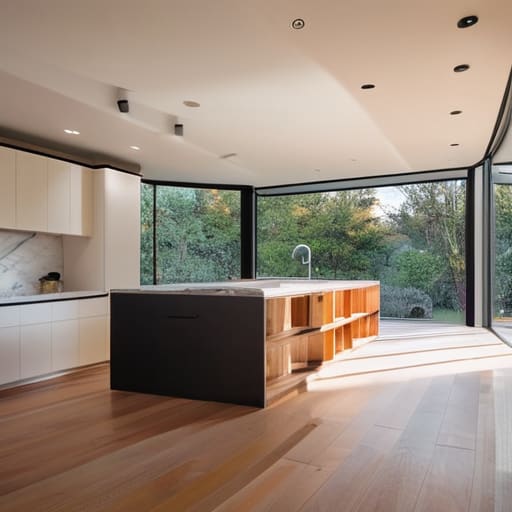
I was standing in a gutted kitchen last Tuesday, the smell of damp drywall and old sawdust thick in the air, when I realized most people approach house remodeling ideas with a fundamental misunderstanding. They see a Pinterest board full of marble countertops and gold fixtures and think that’s the path to wealth. Honestly? That’s just expensive decorating. If you’re chasing trends instead of structural value, you aren’t investing; you’re just burning cash. I’ve spent too many years on dusty job sites watching people pour their life savings into aesthetic upgrades that offer zero return on investment.
I’m not here to sell you on a lifestyle fantasy or tell you to buy the most expensive tile on the market. My goal is to give you the actual, gritty blueprint for turning sweat equity into real profit. I’m going to walk you through strategic house remodeling ideas that focus on the bones of the property and the high-impact changes that actually move the needle on your appraisal. We aren’t looking for perfection here; we are looking for the smartest way to build your future, one renovation at a time.
Table of Contents
Modern Kitchen Remodel Concepts That Command Premium Prices
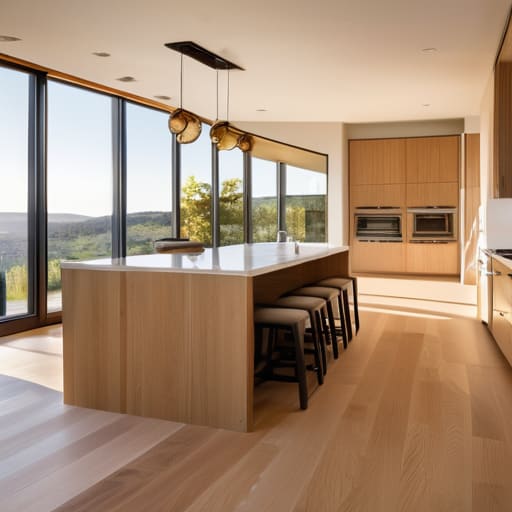
When I’m walking through a potential flip, the kitchen is the first place I look for “the gut.” If the layout is cramped and the cabinets are dated, I see opportunity. To truly drive ROI, you need to move beyond just swapping out hardware. I’m a huge advocate for open concept floor plan ideas that bridge the gap between the cooking area and the living space. Removing a non-load-bearing wall to create a seamless flow doesn’t just make the house feel bigger; it fundamentally changes how a buyer perceives the lifestyle of the home.
If you’re working with a tighter budget, don’t panic. You don’t always need a full demolition to see a massive jump in appraisal. Focus on high-impact, modern kitchen remodel concepts like installing quartz countertops or a deep farmhouse sink. I always tell my clients: if you can’t afford a total overhaul, invest in lighting and high-end fixtures. These small, tactical upgrades are the secret to increasing home resale value without draining your entire renovation fund before you even hit the drywall phase.
Open Concept Floor Plan Ideas to Unlock Hidden Space
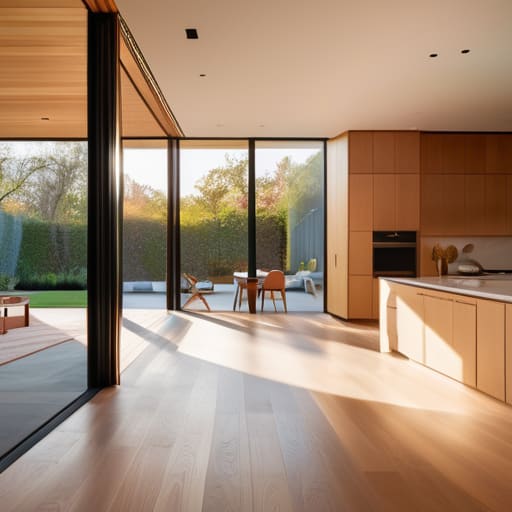
If you’re walking through a property and feel like you’re navigating a labyrinth of tiny, claustrophobic rooms, you’re looking at a goldmine. Most old builds were designed with a “compartmentalized” mindset, but modern buyers want flow. When I’m scouting a fixer-upper, I’m looking for those non-load-bearing walls that separate the dining area from the living room. Tearing those down is one of the most effective open concept floor plan ideas for instantly making a cramped footprint feel massive. It’s not just about aesthetics; it’s about creating a sightline that draws the eye through the house, which is a massive win for increasing home resale value.
However, don’t go swinging a sledgehammer blindly. You have to balance openness with functionality. I’ve seen too many investors gut a house only to realize they’ve lost all sense of privacy or acoustic separation. The trick is to use structural elements—like a kitchen island or a change in flooring material—to define “zones” without actually building walls. This approach serves as one of those smart, small space renovation solutions that makes a house feel intentional rather than just empty. You want a layout that breathes, not one that feels like a hollow warehouse.
Five Strategic Plays to Maximize Your ROI
- Stop over-improving for the neighborhood. I see too many investors dumping high-end marble into a zip code that won’t recoup the cost. Aim for “aspirational but attainable”—quality finishes that feel expensive but don’t break your margin.
- Focus on the “first impression” trifecta: curb appeal, lighting, and entryway flow. If a buyer feels a sense of warmth and light the second they step through the door, they’re already mentally moving in, which makes them much less likely to nitpick the minor flaws later.
- Don’t ignore the “invisible” upgrades. While a new backsplash looks great in photos, nothing kills a deal faster than an old HVAC system or outdated electrical. I’d rather spend money on a reliable furnace and a clean, updated electrical panel than a designer light fixture every single time.
- Master the art of the “cosmetic refresh” to save your budget. Sometimes you don’t need to rip out every single cabinet; a professional paint job, new hardware, and updated pulls can make a 1990s kitchen look contemporary for a fraction of the cost of a full gut job.
- Prioritize functional bathrooms over pure aesthetics. A buyer can live with a slightly dated tile pattern, but they won’t forgive a cramped layout or poor plumbing. Ensure the vanity size is practical and the lighting is bright enough to actually use the space.
The Bottom Line: Where to Put Your Money
Stop chasing aesthetic trends that expire in two years; focus on structural and functional upgrades like layout shifts and high-end kitchen finishes that provide long-term, measurable equity.
Always prioritize the “bones” of the house over the “jewelry”—a designer backsplash won’t save a property if the floor plan feels cramped and outdated.
Measure twice, spend once; use your budget to fix the high-impact problem areas that potential buyers can see and feel immediately, rather than wasting capital on cosmetic fixes in low-traffic corners.
## The Investor's Mindset
“Stop chasing the ‘perfect’ house and start hunting for the one with the ugly carpet and the outdated layout; that’s where the real profit is buried under the surface.”
Gareth Trelawny
Turning Vision into Value
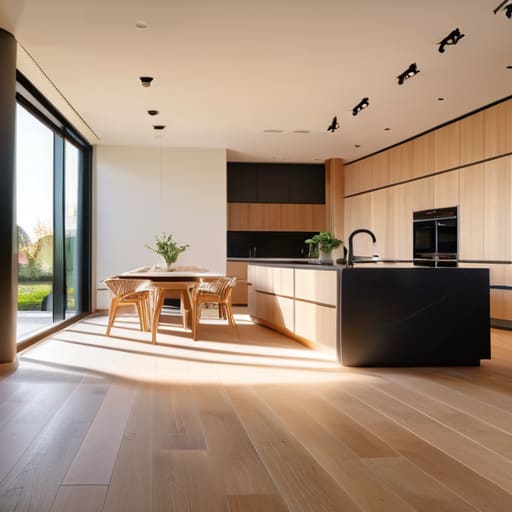
At the end of the day, successful remodeling isn’t about chasing every fleeting TikTok trend or buying the most expensive marble slab you can find. It’s about strategic execution. We’ve looked at how a high-end kitchen can anchor a property’s value and how breaking down walls to create an open floor plan can fundamentally change the way a buyer perceives a home’s scale. Whether you are tackling a full-scale gut renovation or just updating the layout to improve flow, the goal remains the same: maximizing your return on investment by addressing the features that actually move the needle. Don’t get distracted by the shiny objects; focus on the structural and functional upgrades that turn a house into a high-performing asset.
I know the prospect of a renovation can feel overwhelming—the dust, the delays, and the inevitable budget creep are enough to make anyone want to walk away. But remember, every massive portfolio I see started with a single, messy project. You don’t need a perfect blueprint to start; you just need the grit to see it through to the finish line. Stop waiting for the “perfect” property to fall into your lap and start looking at the houses everyone else is overlooking. There is a massive amount of untapped equity sitting behind peeling wallpaper and outdated layouts, just waiting for someone with a sharp eye to come along and claim it. Get your hands dirty and go build that wealth.
Frequently Asked Questions
How do I determine if a renovation is actually adding equity or if I'm just over-improving for the neighborhood?
Look at the comps, not your Pinterest board. If you’re installing marble countertops in a neighborhood where everyone else is rocking laminate, you’re burning cash. Before you swing a hammer, pull the recent sales data for within a half-mile radius. You want to aim for the “ceiling” of the neighborhood—that sweet spot just below the most expensive house on the block. Anything beyond that isn’t an investment; it’s just an expensive hobby.
Which specific cosmetic upgrades offer the fastest return on investment when I'm on a tight flipping timeline?
If you’re racing the clock, stop overthinking the big stuff and focus on high-impact cosmetics. Fresh, neutral paint is your best friend—it hides imperfections and brightens everything instantly. Next, swap out dated hardware; new matte black or brushed brass handles on old cabinets make a massive difference for pennies. Finally, upgrade the lighting. Replacing a crusty builder-grade fixture with something modern creates an immediate “wow” factor that buyers feel the second they walk in.
At what point does a structural issue stop being a "renovation opportunity" and start being a money pit?
Look, I’ve been on enough job sites to know the difference. A cracked drywall or a sagging floorboard? That’s just character waiting to be fixed. But the second you see foundation cracks wider than a quarter or a basement that feels like a sponge, walk away. If the cost to stabilize the bones exceeds 20% of your total budget, it’s no longer a renovation—it’s a sinkhole. Don’t let ego outrun your math.
