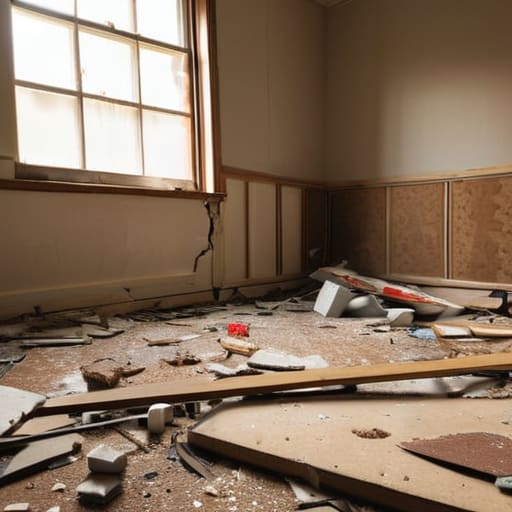
I still remember the smell of damp drywall and old sawdust from my first solo project—a tiny bungalow that looked like a dream on paper but turned into a total nightmare the moment I pulled up the floorboards. I was so focused on picking out the perfect mid-century sideboard for the living room that I completely missed the slow-motion disaster happening in the plumbing. That’s the thing about this business: you can have the best eye for design in the world, but if you aren’t watching your margins, you’re just paying for someone else’s vacation. Most people think the biggest house flipping mistakes are about choosing the wrong paint color, but they couldn’t be more wrong.
I’m not here to give you some polished, “Pinterest-perfect” version of real estate investing. I’ve spent enough time on dusty job sites to know that the real lessons happen when things go sideways. In this guide, I’m pulling back the curtain on the actual, costly errors that bleed equity dry and sink even the smartest investors. We’re going to talk about the gritty, unglamorous reality of rehabs so you can stop guessing and start building real wealth with your flips.
Table of Contents
Underestimating Renovation Costs and the Hidden Cracks
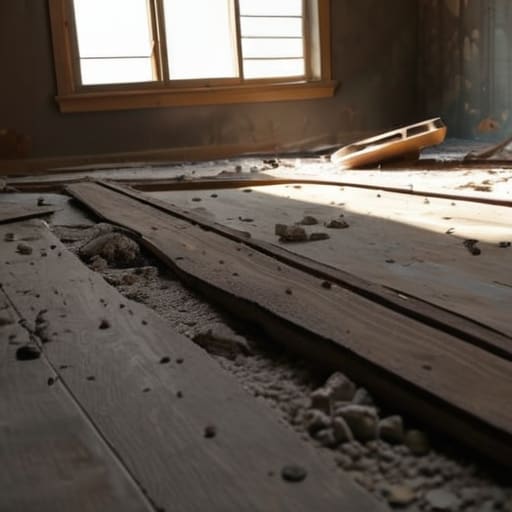
I’ve seen it happen more times than I care to admit: a flipper walks into a “charming” bungalow, sees a fresh coat of paint and some new hardware, and thinks they’ve got a goldmine. Then they peel back the wallpaper or lift a floorboard, and the nightmare begins. This is where most people fall victim to underestimating renovation costs. It’s never just about the aesthetic upgrades; it’s about what’s hiding behind the drywall. I once took on a project where a simple kitchen remodel turned into a structural overhaul because the subfloor was essentially sawdust. If you aren’t accounting for the “what ifs,” you aren’t investing; you’re gambling.
These property inspection oversights are the silent killers of your bottom line. You might have a solid plan on paper, but a single undetected plumbing leak or an outdated electrical panel can evaporate your projected gains in a heartbeat. When you’re working with tight fix and flip profit margins, there is absolutely zero room for error. You have to treat every old house like it’s hiding a secret, because, more often than not, it is.
Avoiding Property Inspection Oversights Before You Buy

If you’re relying solely on a standard home inspection report to tell you if a deal is solid, you’re already playing a dangerous game. I’ve seen too many rookies walk into a closing thinking they’ve found a goldmine, only to realize three weeks later that the foundation is shifting or the electrical panel is a ticking time bomb. These property inspection oversights aren’t just minor inconveniences; they are the kind of structural nightmares that can evaporate your entire budget overnight.
When I’m scouting a new project, I don’t just look at the aesthetic potential; I look for the red flags that a general inspector might breeze past. You need to bring in specialists—think plumbers, HVAC experts, or structural engineers—if something feels off. Neglecting this step is one of the most common real estate investment risks I see, and it’s a mistake that can turn a high-margin flip into a total financial sinkhole. Don’t let a shiny new kitchen mask a rotting subfloor or a failing sewer line. Do the dirty work upfront, or pay for it later with your equity.
Five Pitfalls That Will Drain Your Bank Account
- Stop over-improving for the neighborhood. I’ve seen too many rookies drop fifty grand on high-end marble countertops in a zip code where buyers just want decent quartz. You aren’t building your dream home; you’re building a product. If the comps don’t support the luxury, you’re just donating money to the next owner.
- Don’t treat your timeline like a suggestion. Every week a house sits unfinished is another week of interest payments, taxes, and utility bills eating your profit margin. If your contractor tells you a kitchen will take three weeks, budget for six. If you don’t bake that buffer into your math, your ROI will vanish.
- Get obsessed with the “unsexy” stuff. It’s easy to get excited about picking out trendy light fixtures or mid-century modern accents, but if the electrical panel is outdated or the HVAC is on its last legs, your buyers will walk. Fix the bones first; the aesthetics are just the icing on the cake.
- Avoid the “DIY Trap” when you’re out of your depth. I love getting my hands dirty as much as the next person, but trying to save a few bucks by doing your own plumbing or electrical when you aren’t licensed is a recipe for disaster. One bad mistake can lead to a massive insurance claim or a failed inspection that kills your sale.
- Neglect your exit strategy. You need to know exactly how you’re getting out before you even swing a hammer. Are you flipping for a quick profit, or is this a “BRRRR” candidate you intend to rent out? If you don’t have a Plan B for a cooling market, you’re not investing—you’re gambling.
The Bottom Line: Protecting Your Profit Margin
Treat your budget like a lifeline, not a suggestion; always build in a 15-20% contingency fund to catch the structural surprises that inevitably hide behind old drywall.
Never skip the professional inspection, no matter how much the seller’s “charm” or a low asking price pulls at your heartstrings—it’s better to lose a deal than to lose your shirt on a foundation issue.
Focus your renovation dollars on high-ROI upgrades that drive equity, rather than getting lost in expensive, niche design details that won’t actually move the needle at closing.
The Equity Killer
“A renovation isn’t just about picking the right backsplash; it’s about realizing that every unbudgeted dollar spent on a vanity you didn’t need is a dollar stolen directly from your profit margin.”
Gareth Trelawny
The Bottom Line on Protecting Your Profit
At the end of the day, house flipping isn’t about luck; it’s about rigorous preparation. We’ve talked about how easily a project can spiral when you ignore the structural red flags during an inspection or fail to account for the inevitable “surprise” costs that hide behind a fresh coat of paint. If you aren’t accounting for those hidden cracks in your budget or your due diligence, you aren’t investing—you’re gambling. To come out on top, you have to treat every renovation like a calculated business move rather than a DIY passion project. Respect the numbers, respect the inspection report, and never, ever assume the house is perfect just because the curb appeal looks decent.
Look, I know the prospect of a massive renovation can feel overwhelming, especially when you’re staring at a pile of demo debris and a mounting stack of invoices. But remember why you started this: you’re building something tangible and lasting. Every mistake you learn from now is a lesson that builds your expertise and secures your future equity. Don’t let a few setbacks shake your resolve. Keep your eyes sharp, your laser measurer handy, and your budget tight. If you can navigate the mess, you can turn those crumbling walls into real wealth. Now, let’s get to work.
Frequently Asked Questions
How do I distinguish between a "cosmetic fix" and a structural issue that’s actually going to blow my budget?
Look, here’s the rule of thumb I live by: if it’s on the surface, it’s cosmetic; if it’s moving, it’s structural. A dated backsplash or peeling paint is an easy win for my margins. But if you see stair-step cracks in the brick, doors that won’t latch, or a floor that slopes more than a fraction of an inch, walk away or budget heavy. Don’t mistake a “quick refresh” for a foundation repair.
At what point does a renovation stop being a value-add and start becoming "over-improvement" for the neighborhood?
You hit the ceiling the moment your finishes start outshining the street. If you’re installing Italian marble in a neighborhood where the comps are all laminate and subway tile, you aren’t adding value—you’re just subsidizing your own vanity. I always look at the ceiling price of the surrounding area. If your renovation pushes the ARV (After Repair Value) beyond what the neighbors can realistically support, you’re just burning your profit margin.
How can I vet contractors quickly enough to stay on schedule without accidentally hiring someone who’s going to cut corners on my equity?
You can’t afford to be picky, but you also can’t afford to be reckless. My rule? Never hire a contractor who won’t show you a recent job site. If they won’t let you walk through a house they’re currently mid-reno on, run. I also vet by checking their subs—if they can’t name their plumber or electrician, they aren’t managing a crew; they’re just a middleman. Speed is great, but a cheap crew is the fastest way to lose your profit.
