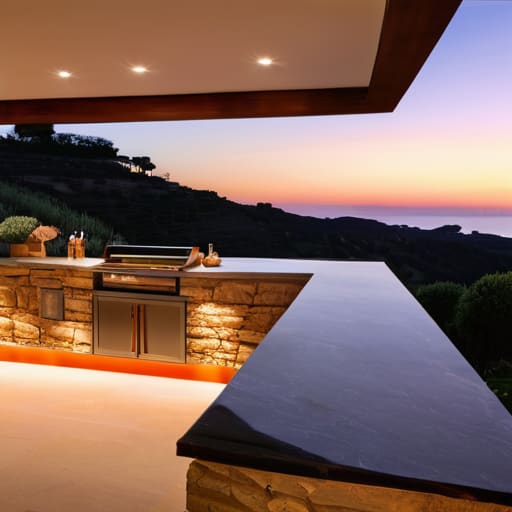
I was standing on a dusty job site last July, staring at a client’s backyard that was essentially just a graveyard for rusted lawn chairs and cracked concrete. They were dead set on spending sixty grand on a high-end, built-in outdoor kitchen filled with imported Italian marble and gadgets they’d never actually use. Honestly? It made my blood boil. Most people treat these renovations like a way to show off, throwing money at shiny appliances while completely ignoring the functional layout that actually drives property value. You don’t need a luxury showroom in your yard to make a massive impact; you need a strategic plan that turns a dead zone into a high-yield asset.
I’m not here to sell you on the lifestyle fantasy or the overpriced granite slabs you see on Pinterest. My goal is to show you how to approach an outdoor kitchen build with the mindset of an investor, focusing on smart, durable upgrades that actually move the needle on your home’s equity. I’m going to walk you through the grit and the math of what works, helping you avoid the expensive mistakes that turn a renovation into a money pit.
Table of Contents
- Mastering Built in Barbecue Island Design for Maximum Value
- Selecting Weatherproof Kitchen Appliances That Stand the Test of Time
- Five Hard Truths for Building a High-ROI Outdoor Kitchen
- The Bottom Line: Turning Backyard Upgrades into Real Returns
- The Equity in the Backyard
- Turning Hardscape into High Returns
- Frequently Asked Questions
Mastering Built in Barbecue Island Design for Maximum Value
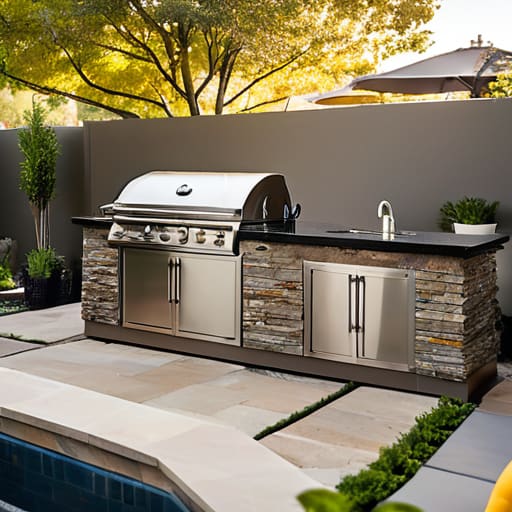
When you’re looking at a fixer-upper, the backyard is often an afterthought, but that’s where the real money is hidden. If you want to drive up the appraisal, you can’t just throw a cheap charcoal grill on a concrete slab. You need to focus on built-in barbecue island design that feels intentional and permanent. I always tell my clients to think about the “work triangle” just like they would in a kitchen; if the prep space is too far from the heat source, the layout fails. A well-planned island creates a focal point that transforms a basic patio into a high-end entertaining zone.
Don’t skimp on the bones, either. Since I spend most of my time managing contractors, I’ve seen too many investors lose money because they used subpar materials that cracked after one winter. If you’re aiming for luxury backyard entertaining spaces, you have to prioritize outdoor kitchen material durability. Invest in stone veneers or heavy-duty masonry that can handle the elements without looking weathered in six months. It’s about building something that looks as good in five years as it does on closing day.
Selecting Weatherproof Kitchen Appliances That Stand the Test of Time
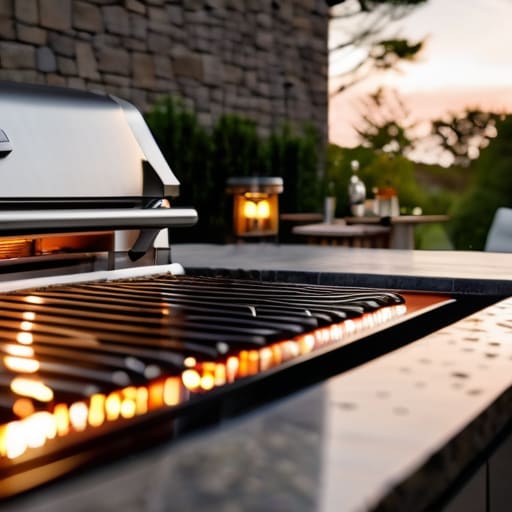
When you’re investing serious capital into a renovation, the last thing you want is to see your ROI literally rust away after one harsh winter. I’ve seen too many ambitious flips fail because the owner cheaped out on the hardware. If you aren’t investing in high-grade weatherproof kitchen appliances, you are essentially throwing money into a bonfire. You need stainless steel with a high rating—think 304 grade—to ensure that salt air or heavy rain doesn’t turn your premium grill into a heap of orange flakes within two seasons.
Beyond just the grill, think about the secondary components that define your patio cooking area essentials. If you’re integrating a built-in refrigerator or a specialized pizza oven, check the seals and the insulation specs twice. In my experience, the most expensive mistake is choosing a unit that looks sleek in a showroom but can’t handle the thermal expansion of being left out in the sun. Prioritize outdoor kitchen material durability over flashy digital displays; a rugged, analog-feeling heavy-duty unit will always provide better long-term value for your property than a temperamental gadget that dies in three years.
Five Hard Truths for Building a High-ROI Outdoor Kitchen
- Prioritize your utility layout over aesthetics; if your prep space is too far from the grill or your sink is a joke, the whole concept fails the “functionality test” that buyers demand.
- Don’t skimp on the stone or countertop materials—choose something like granite or high-grade concrete that can actually handle a summer storm without looking like a weathered mess in two years.
- Lighting isn’t just a luxury, it’s a necessity; invest in integrated LED task lighting so you aren’t hacking away at vegetables in the dark once the sun goes down.
- Plan your electrical and plumbing rough-ins before you even think about the finishings, because retrofitting a gas line or a water pipe after the masonry is set is a budget-killing nightmare.
- Focus on “zones” rather than just a single grill station; creating distinct areas for prep, cooking, and dining is what separates a cheap patio setup from a professional-grade outdoor living asset.
The Bottom Line: Turning Backyard Upgrades into Real Returns
Don’t just buy a grill and call it a day; invest in a cohesive, built-in island design that makes the space feel like a permanent extension of the home rather than an afterthought.
Protect your margins by prioritizing high-grade, weatherproof appliances that won’t rust out or fail after one season of heavy use.
Focus on durability and high-end finishes that appeal to the widest range of buyers, ensuring your renovation builds equity instead of just burning through your budget.
The Equity in the Backyard
“Stop looking at an outdoor kitchen as just a luxury add-on; if you design it with the right materials and a functional layout, you’re actually building a high-margin feature that turns a basic backyard into a massive selling point.”
Gareth Trelawny
Turning Hardscape into High Returns
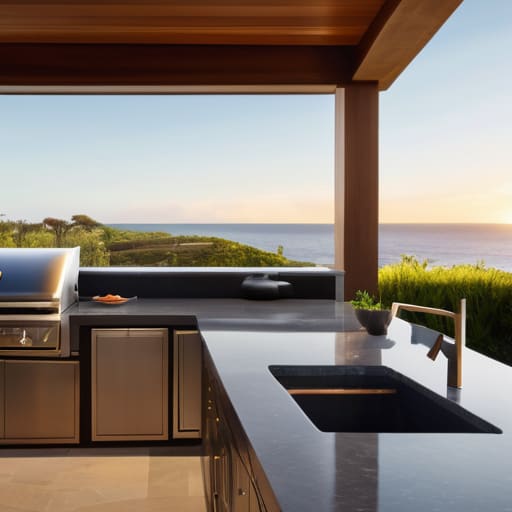
At the end of the day, building a high-end outdoor kitchen isn’t just about picking out a fancy grill or a pretty countertop; it’s about strategic integration. You have to balance the structural integrity of your built-in islands with the long-term durability of professional-grade, weatherproof appliances. If you skimp on the materials now, you’ll just be paying for it again in three years when the salt air or the humidity wrecks your investment. When you get the design right—focusing on both functionality and high-quality finishes—you aren’t just creating a place to host a summer BBQ; you are engineering a massive value-add that makes your property stand out in a crowded market.
I know that looking at a blueprint for a backyard renovation can feel overwhelming, especially when you’re staring down the prospect of dust, debris, and unpredictable contractor timelines. But remember, the most profitable flips are rarely the easy ones. The real money is made in the details that others are too lazy to master. Don’t be afraid to get your hands dirty and push for the quality that turns a “nice yard” into a premium lifestyle asset. Stop looking at a patch of dirt and start seeing the solid equity waiting to be unlocked. Now, grab your laser measurer and let’s get to work.
Frequently Asked Questions
How do I figure out if an outdoor kitchen is actually going to give me a decent ROI, or am I just throwing money into a backyard sinkhole?
Look, I’ve seen too many investors sink thousands into “luxury” features that don’t move the needle. To avoid the sinkhole, you have to look at your local comps. If the high-end homes in your target zip code all feature seamless outdoor living spaces, you’re playing catch-up. If they aren’t, you’re over-improving. Focus on high-utility, integrated designs rather than flashy, standalone gadgets. You want a feature that feels like a natural extension of the home, not an expensive afterthought.
What are the biggest mistakes people make when planning the layout of a built-in grill station?
The biggest mistake I see? People treat the layout like an afterthought. They cram the grill too close to the seating area, or worse, forget about the “work triangle.” If you can’t move from your prep counter to the grill without dodging a guest’s chair, you’ve failed. Also, watch your ventilation. If you’re under a roof, you need serious airflow. Don’t build a beautiful station that ends up smoking out your entire patio.
Do I really need to invest in high-end weatherproof appliances, or can I get away with standard gear if I keep it covered?
Look, I get the temptation to save a few grand by using standard gear under a cover, but from an investment standpoint? It’s a trap. Covers fail, humidity creeps in, and standard internal components aren’t built for those temperature swings. If you’re flipping or building for equity, you want durability. I’d rather invest in one solid, weatherproof unit that actually lasts than spend my weekends replacing rusted-out standard appliances that weren’t meant to be outside.
