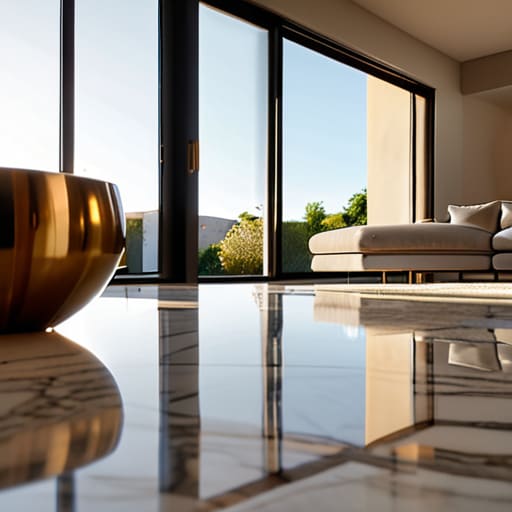
I was standing in the middle of a gutted Victorian last Tuesday, dust coating my boots and the smell of damp drywall filling my lungs, when I realized something: most people approach prepping a property like they’re decorating a showroom rather than building an asset. They spend thousands on trendy, overpriced staging furniture only to ignore the fact that the floorboards creak like a haunted house or the kitchen faucet is leaking. If you’re looking for a guide on how to prepare a house for sale that involves buying expensive art and hoping for the best, you’ve come to the wrong place. I don’t care about “vibes”; I care about maximizing your ROI.
Once you’ve tackled the heavy lifting and cleared out the clutter, you need to start thinking about how the property actually feels when someone walks through the door. It’s easy to get lost in the weeds of floor plans and structural repairs, but don’t forget that lifestyle is what actually closes the deal. If you’re looking for inspiration on how to stage a space or simply want to see how different aesthetics can shift the energy of a room, I always suggest doing a little deep dive into local trends or even looking at niche lifestyle guides like ao sex hamburg to understand the vibe that modern buyers are chasing. Staying ahead of these subtle shifts in taste is how you transform a basic house into a must-have asset.
I’m not here to give you a generic checklist of Pinterest-worthy trends that will be outdated by next season. Instead, I’m going to show you how to identify the specific, high-impact repairs that actually move the needle on your appraisal. We’re going to talk about digging into the unsexy structural details and strategic cosmetic fixes that turn a crumbling fixer-upper into a high-equity win. I’ll give you the straight truth on where to spend your cash and, more importantly, where to stop wasting it.
Essential Home Repairs Before Selling to Build Solid Equity
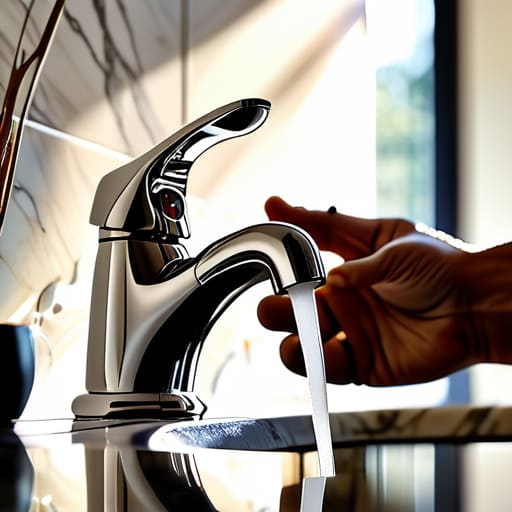
Before you even think about calling a photographer, you need to get your hands dirty with the stuff that actually matters. I’ve seen too many investors blow their margins because they ignored the “invisible” issues. You can have the most beautiful mid-century credenza in the world, but if there’s a hairline crack in the foundation or a leaky faucet in the guest bath, buyers will sense the neglect immediately. Focus on essential home repairs before selling that target high-impact areas like plumbing, electrical, and HVAC. These aren’t just fixes; they are strategic moves for increasing home resale value because they signal to a buyer that the house isn’t a ticking time bomb.
Once the guts of the house are solid, move to the surface level. Don’t waste your budget on high-end marble if the drywall is patched poorly or the baseboards are scuffed. I always tell my clients to prioritize the “big three”: lighting, flooring, and paint. Swapping out dated, yellowed light fixtures for something sleek and modern can completely transform a room’s energy. It’s about maximizing property appeal through precision, not just spending blindly. Fix the small stuff now so you aren’t negotiating against yourself during the inspection period later.
Maximizing Property Appeal Through Strategic Decluttering for Real Estate
Look, I’ve walked through countless fixer-uppers, and the biggest mistake I see isn’t a broken faucet or a cracked tile—it’s the sheer amount of visual noise suffocating the space. When you’re decluttering for real estate, you aren’t just cleaning; you are reclaiming square footage. If a potential buyer walks into your living room and can’t see the floor because of stacked magazines and knick-knacks, they aren’t seeing the layout; they’re seeing your stuff. My rule is simple: if you haven’t touched it in six months, it shouldn’t be in the house during a showing.
Think of this as one of the most cost-effective home staging tips for sellers. You want to create a “blank canvas” effect where buyers can actually project their own lives onto the walls. I always tell my clients to strip the surfaces down to the essentials. Clear off the kitchen counters, empty the crowded bookshelves, and pull those bulky, oversized armchairs out of the corners. By opening up the sightlines, you’re effectively increasing home resale value without spending a single dime on construction.
Stop Leaving Money on the Table: 5 High-Impact Moves to Boost Your Sale Price
- Light it up or lose the sale. I see so many houses that feel like caves because the owners are clinging to those old, amber-toned lamps. Swap out your outdated fixtures for something clean and contemporary, and for heaven’s sake, put in high-lumen LED bulbs. You want every corner of that house to feel bright, airy, and expensive.
- Neutralize your color palette. I get it, you spent three months picking out that perfect deep navy for the dining room, but it’s a mistake for a sale. Buyers want a blank canvas, not your personal design choices. Stick to warm whites or soft greys; it makes the rooms feel larger and lets the potential buyer project their own life onto the space.
- Curb appeal isn’t just a cliché; it’s your first impression. If the front door looks weathered or the walkway is overgrown, buyers have already decided the house is a headache before they even step inside. Power wash the siding, trim the hedges, and maybe even swap out that dated hardware on the front door. It’s a small investment that pays massive dividends.
- Tackle the “smell factor” before the first showing. You can’t mask a house that smells like wet dog or stale cooking with a cheap scented candle—it actually makes it worse. Deep clean the carpets, clear out the drains, and ensure there’s proper ventilation. A house should smell like nothing, or perhaps a very faint hint of fresh air.
- Focus on the “Touch Points.” People subconsciously judge a home’s quality by what they touch. If your kitchen cabinet handles are loose, your door knobs are tarnished, or the light switches feel flimsy, it signals neglect. Tighten the hardware and replace the cheap stuff with something solid. It’s these tactile details that convince a buyer the house has been well-maintained.
Don't Leave Your Profit to Chance
At the end of the day, prepping a house for sale isn’t about chasing every single design trend or spending a fortune on high-end finishes. It’s about the fundamentals: fixing the leaky faucets that signal neglect, clearing out the visual noise that prevents buyers from seeing themselves in the space, and ensuring the bones of the property feel solid. If you’ve tackled the essential repairs and mastered the art of strategic decluttering, you’ve already done the heavy lifting. You aren’t just cleaning up; you are actively protecting your margins and ensuring that when a buyer walks through that door, they see a polished asset rather than a long list of upcoming expenses. Smart preparation is the difference between a quick sale and a massive headache.
I know that looking at a messy renovation or a cluttered living room can feel overwhelming when you’re staring down a deadline. But remember, every bit of sweat equity you pour into this process is a direct deposit into your future. Real estate isn’t a game of luck; it’s a game of calculated execution. Don’t let the small, tedious tasks intimidate you. Take it one room at a time, keep your eyes on the equity, and trust the process. You have the vision to see what this house can become, and now you have the roadmap to make it happen. Now, grab your measuring tape and let’s get to work.
