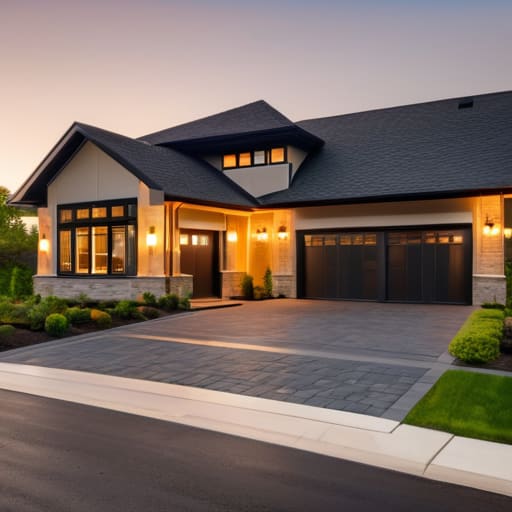
I remember standing on a job site last autumn, staring at a sprawling, spiderwebbed mess of concrete that looked more like a dried riverbed than an entrance to a premium property. I had my laser measurer out, but even without the numbers, the math was obvious: this house was bleeding value every single day. Most contractors will try to sell you on some high-end, decorative cobblestone nonsense that eats your entire renovation budget, but let’s be real—a botched or overpriced driveway replacement is just a fast track to burning through your capital. You don’t need a monument; you need a functional, durable asset that screams “well-maintained” to every potential buyer driving past.
I’m not here to give you a glossy brochure or a list of overpriced upgrades you don’t actually need. I’m going to walk you through the gritty, practical reality of choosing materials, managing the mess, and ensuring your investment actually builds equity rather than just draining your bank account. We’re going to talk about what works, what’s a total waste of money, and how to execute a project that turns a crumbling eyesore into a strategic profit driver.
Table of Contents
- Calculating Your Driveway Cost Per Square Foot Without Getting Ripped Off
- Asphalt vs Concrete Driveway Choosing Your Path to Profit
- 5 Pro Moves to Ensure Your Driveway Upgrade Actually Adds Value
- The Bottom Line: Making the Driveway Work for Your ROI
- The Curb Appeal Trap
- The Bottom Line on Your Driveway Strategy
- Frequently Asked Questions
Calculating Your Driveway Cost Per Square Foot Without Getting Ripped Off
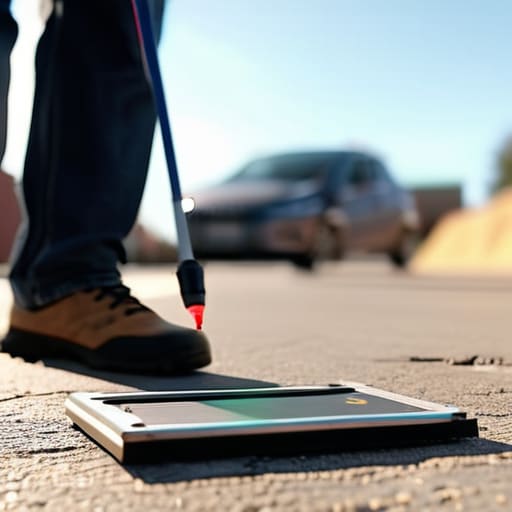
Before you sign a single contract, you need to know exactly what you’re paying for. I’ve seen too many rookie investors get blindsided by “lump sum” quotes that hide massive markups. To get a real sense of the math, you have to break it down by the driveway cost per square foot. Grab that laser measurer I always carry and get your precise dimensions first. Multiply your total square footage by the local average rate, but remember: a quote for a simple patch job is not the same as a full-scale tear-out and grade correction.
The real variable in your budget is the material choice. If you’re looking for a quick, budget-friendly fix to boost a flip’s appeal, you might lean toward asphalt. However, if you’re playing the long game for a high-end renovation, the asphalt vs concrete driveway debate usually ends with concrete providing better longevity and a cleaner, more modern aesthetic. Don’t forget to factor in the sub-base; if the ground isn’t leveled correctly, even the most expensive stone will sink within a year, turning your investment into a literal sinkhole.
Asphalt vs Concrete Driveway Choosing Your Path to Profit
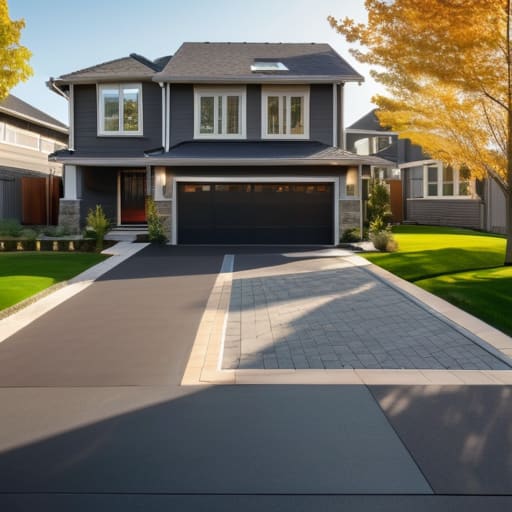
When you’re staring at a patch of cracked pavement, the first question isn’t just how much it’ll cost, but how it affects your exit strategy. In the world of flipping, the debate of asphalt vs concrete driveway comes down to a trade-off between immediate cash flow and long-term value. Asphalt is my go-to when I’m working with a tighter budget or trying to move a property quickly; it’s cheaper to install and gives that clean, dark look that pops in listing photos. However, don’t mistake low upfront costs for a “set it and forget it” solution. You’ll need to budget for regular residential driveway maintenance to prevent those cracks from turning into potholes.
If you’re aiming for a high-end luxury renovation where you want to maximize every cent of equity, concrete or even a paver driveway installation is the way to go. Concrete is much more durable and handles heavy wear without looking like a mess after three years, but the initial hit to your renovation budget will be significantly higher. If the property is in a low-lying area, remember that your choice also dictates your driveway drainage solutions—nothing kills a sale faster than a beautiful driveway that turns your garage into a swimming pool every time it rains.
5 Pro Moves to Ensure Your Driveway Upgrade Actually Adds Value
- Don’t just look at the surface; check the subgrade. If you’re laying down beautiful new concrete over a soft, shifting base of old dirt and debris, you’re literally throwing money into a sinkhole. Make sure your contractor digs out the old mess and packs a solid, compacted base first.
- Scale your design to the property’s architecture. Since I look at everything through a design lens, I hate seeing a high-end, mid-century modern renovation ruined by a cheap, narrow asphalt strip. Ensure the width and material complement the home’s aesthetic so the curb appeal feels cohesive, not slapped on.
- Factor in drainage before you pour a single drop. A driveway that directs water straight toward your foundation isn’t an asset; it’s a liability that will cost you thousands in structural repairs later. Always insist on a slight pitch or a French drain system to keep the water moving away from the house.
- Get at least three itemized bids, not just “lump sum” quotes. I’ve seen too many rookies get taken for a ride because they didn’t realize one contractor was quoting premium reinforced concrete while another was quoting a thin, low-grade mix. You need to compare apples to apples to protect your margins.
- Think about long-term maintenance as part of your ROI. Asphalt is cheaper upfront and great for a quick flip, but if you’re looking to hold the property as a long-term rental or a high-end asset, concrete’s durability often wins the math game in the long run. Choose the material that fits your exit strategy.
The Bottom Line: Making the Driveway Work for Your ROI
Don’t just pick the cheapest material; choose the one that matches the home’s long-term maintenance profile and resale value.
Always get at least three quotes and verify the square footage yourself—never trust a contractor’s math blindly.
View your driveway as a curb appeal investment, not just a patch job; a professional finish is what actually moves the needle on your appraisal.
The Curb Appeal Trap
“A crumbling driveway is more than just an eyesore; it’s a leak in your ROI. You can spend thousands on high-end interior finishes, but if the first thing a buyer sees is cracked, weed-infested asphalt, they’ll assume you cut corners everywhere else.”
Gareth Trelawny
The Bottom Line on Your Driveway Strategy
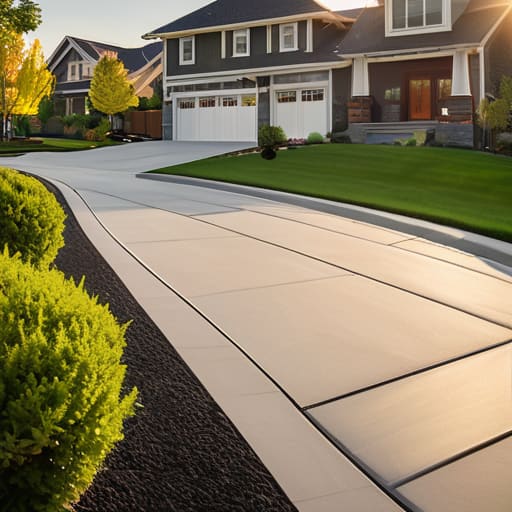
At the end of the day, replacing a driveway isn’t just about fixing a patch of cracked pavement; it’s a strategic move to protect your investment. We’ve looked at how to crunch the numbers per square foot so you don’t overpay, and we’ve weighed the long-term durability of concrete against the lower upfront costs of asphalt. Whether you choose the sleek, modern look of poured concrete or the budget-friendly flexibility of asphalt, the goal remains the same: maximizing your ROI. Don’t view this as a mere maintenance expense—view it as a calculated injection of equity into your property that pays dividends when it comes time to sell or refinance.
I know that staring down a massive renovation project can feel overwhelming, especially when you’re trying to balance a tight budget with high expectations. But remember, every major flip I’ve ever done started with these exact kinds of granular decisions. It’s the small, smart choices—like picking the right material and vetting your contractors—that separate a money pit from a profitable asset. Stop letting a neglected entryway drag down your property value. Get out there, grab your measurer, and start turning that crumbling concrete into solid, tangible wealth.
Frequently Asked Questions
How do I know if I actually need a full replacement, or if I can just get away with a cheap patch job to save my margins?
Look, I’ve been there—staring at a crack and praying a $500 patch job will hold. But don’t let cheap fixes eat your margins later. If you’re seeing alligator cracking (those spiderweb patterns) or significant base failure, a patch is just throwing good money after bad. If the surface is just faded or has minor hairline cracks, seal it and move on. But if the foundation is shifting? Rip it out. You want equity, not a recurring maintenance nightmare.
When I'm looking at a potential flip, what are the red flags in a driveway that signal a massive, hidden sub-base issue?
If you see deep, longitudinal cracks or areas where the pavement is actually sinking or “dishing,” run. That’s not just surface wear; that’s a failing sub-base. Watch out for “alligator cracking”—those tiny, interconnected cracks that look like reptile skin—because that means the foundation underneath has completely lost its structural integrity. If you see that, you aren’t just looking at a resurfacing job; you’re looking at a massive excavation and regrading nightmare that’ll eat your margins alive.
Is the extra upfront cost of a concrete driveway actually going to show up in my ROI, or is asphalt the smarter play for a quick turnaround?
If you’re hunting for a quick flip, stick with asphalt. It’s cheaper upfront, looks decent with a fresh seal, and lets you keep your capital for the high-impact stuff like kitchen remodels. But, if you’re playing the long game and building a premium asset, go concrete. It’s a higher barrier to entry, but that clean, modern aesthetic commands a higher sale price and tells buyers this isn’t just another cheap patch-job.
