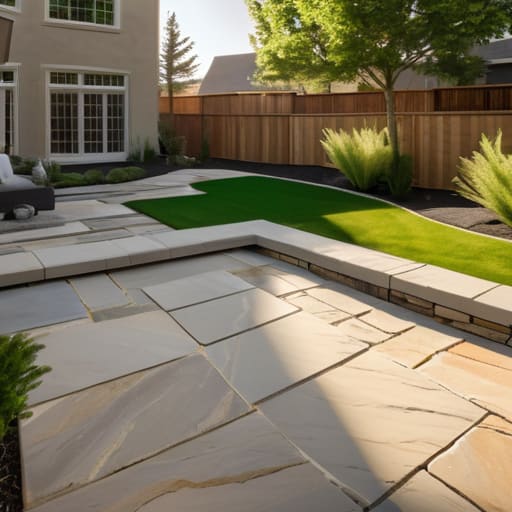
I was standing in the mud of a teardown in East Austin last July, staring at a backyard that was essentially just a graveyard for rusted lawn chairs and cracked, uneven pavers. Most contractors I spoke to were already quoting me figures that looked more like a small mortgage than a renovation budget, trying to sell me on high-end, custom-carved stone that would never actually see a return on investment. They want to treat patio construction like a luxury landscaping spree, but if you’re looking to build real equity, you need to stop thinking about aesthetic fluff and start thinking about structural value.
I’m not here to give you a Pinterest board of unattainable dreams; I’m here to give you the blueprint for a high-impact outdoor space that actually moves the needle on your property value. I’ve spent years learning which materials survive a heavy rainstorm and which ones just look good in a brochure before they crumble. In this guide, I’m breaking down the no-nonsense essentials of smart patio construction, focusing on how to maximize your square footage and your ROI without draining your renovation fund on things that don’t matter.
Table of Contents
Smart Outdoor Living Space Planning for Maximum Value
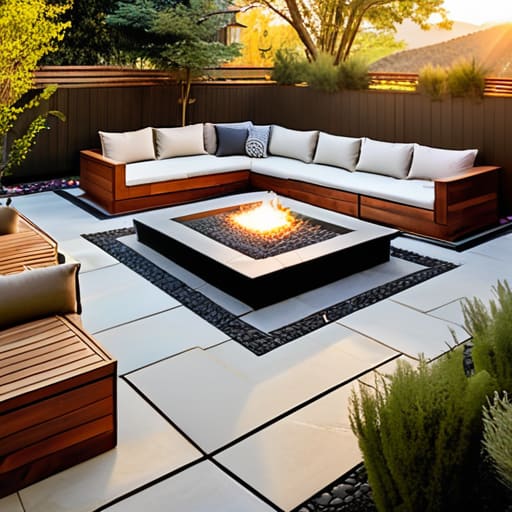
When I’m walking a property, I’m not just looking at the grass; I’m looking at how the house flows into the yard. Most rookies make the mistake of slapping down a generic slab of concrete and calling it a day. If you want to actually move the needle on your ROI, you need to treat outdoor living space planning with the same rigor you’d apply to a kitchen remodel. Think about “zones”—a dedicated spot for dining, a separate area for lounging, and perhaps a fire pit zone. This creates the illusion of more square footage, which is a huge selling point for buyers.
Don’t get so caught up in the aesthetic that you ignore the bones of the site. I’ve seen too many beautiful projects ruined because the owner ignored patio drainage solutions during the initial build. If water pools near your foundation, your “value-add” just became a massive liability. I always advocate for integrating subtle hardscape design ideas, like built-in stone seating or low-profile retaining walls, to manage slopes. It’s about making the transition from indoor to outdoor feel intentional, not accidental.
Hardscape Design Ideas That Outperform the Competition
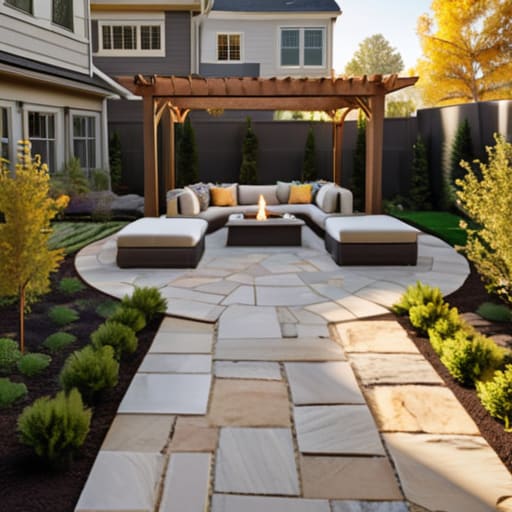
When you’re looking at a property through an investor’s lens, you have to look past the weeds and see the structural bones. I’ve seen too many flips lose money because the backyard was just a patch of uneven grass. To really stand out in a competitive market, you need cohesive hardscape design ideas that feel intentional rather than slapped together. I’m a huge fan of using natural stone or high-quality pavers to create defined zones—think a dedicated dining area versus a lounge nook. It’s about creating a sense of “outdoor rooms” that make the square footage feel much larger than it actually is.
However, don’t get so caught up in the aesthetics that you ignore the technicalities. Nothing kills your ROI faster than a beautiful new terrace that turns into a swimming pool every time it rains. I always prioritize effective patio drainage solutions during the initial phase to prevent soil erosion or foundation issues down the line. If you’re dealing with a slope, don’t fight it; instead, look into retaining wall integration to create level, usable tiers. It adds a layer of sophisticated architectural interest while solving a functional problem, which is exactly how you turn a “fixer-upper” into a premium asset.
Five Pro Moves to Protect Your ROI During Patio Construction
- Prioritize drainage before you even think about aesthetics; if you don’t slope your patio away from the foundation, you’re just building an expensive swimming pool for rainwater.
- Invest in high-quality sub-base materials because a cheap gravel layer is the fastest way to end up with a sunken, uneven mess that kills your property’s curb appeal.
- Stick to a cohesive material palette that pulls from the house’s existing architecture to ensure the new outdoor space feels like a seamless extension rather than a weird afterthought.
- Don’t skimp on the lighting layout, as integrated low-voltage lighting adds massive perceived value and makes the space functional for evening entertaining.
- Plan for “zones” instead of just a slab of concrete—delineating a dining area from a lounge area makes the footprint feel much larger and more intentional to potential buyers.
The Bottom Line on Patio ROI
Focus on durability over trendy aesthetics; I’ve seen too many investors waste money on cheap pavers that crack within two seasons, killing their margins.
Treat your outdoor space like an extension of the floor plan, not an afterthought, to ensure the flow actually adds usable square footage to the property.
Don’t over-improve for the neighborhood, but do invest in high-impact hardscaping that makes a buyer immediately visualize themselves hosting a summer dinner party.
The Equity in the Dirt
Stop looking at a patch of uneven grass as a landscaping headache; look at it as an untapped square footage that, with the right hardscape, can significantly bump your property’s appraisal.
Gareth Trelawny
Turning Concrete into Capital
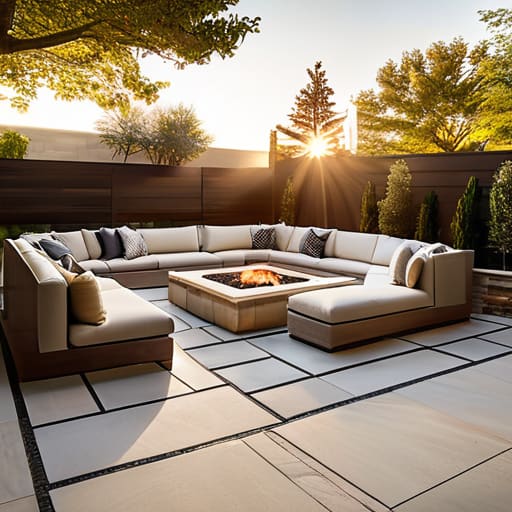
At the end of the day, a successful patio project isn’t just about laying down some pavers or pouring a slab; it’s about intentionality. We’ve covered how to bridge the gap between a messy backyard and a high-value outdoor living space by focusing on smart layouts, durable hardscaping, and designs that actually appeal to modern buyers. If you focus on functional aesthetics—meaning spaces that people can actually live in, not just look at—you’re going to see a much higher return on your investment. Remember, every dollar you spend on a well-planned patio should be viewed as a strategic deposit into your property’s equity, rather than just another renovation expense.
I know that looking at a patch of dirt or a cracked, uneven yard can feel overwhelming, especially when you’re trying to balance a budget. But don’t let the initial mess intimidate you. I’ve spent plenty of afternoons on job sites covered in dust, realizing that the most profitable transformations always start with a little bit of grit and a lot of vision. You don’t need a million-dollar budget to make a massive impact; you just need to see the potential where others only see a headache. Stop viewing your outdoor space as an afterthought and start treating it like the wealth-building asset it truly is.
Frequently Asked Questions
How do I decide between expensive natural stone and more budget-friendly pavers without making the project look cheap?
Look, I’ve seen both sides of this on countless job sites. If you’re on a tighter budget, don’t panic—you don’t need premium flagstone to add value. The secret is in the scale and the pattern. Avoid those tiny, uniform pavers that look like a driveway from the 90s. Instead, opt for larger, multi-sized modular pavers with tight joints. It mimics the organic flow of natural stone without the massive price tag or the headache.
Is it worth investing in built-in outdoor kitchen infrastructure now, or should I stick to a simple seating area to keep my ROI higher?
Look, if you’re chasing the highest immediate ROI, a simple, high-end seating area is the safer bet. It’s low risk and broad appeal. But if you’ve found a property with a massive backyard that’s currently just a dead zone, built-in kitchen infrastructure is how you win the “lifestyle” sale. Don’t overbuild, though—stick to the essentials like a grill station and prep space. Turn that empty dirt into a destination, not just a patio.
What are the biggest red flags I should look for in a backyard before I commit to a heavy hardscape renovation?
Before you even pick up a shovel, check the grade. If the yard slopes aggressively toward the foundation, you’re looking at a drainage nightmare that’ll eat your profits alive. Also, watch out for massive, ancient trees with shallow root systems; digging around them for a patio is a recipe for structural disaster. Lastly, if the soil feels like pure clay or looks unstable, your hardscape will crack before you even sell. Don’t ignore the dirt.
