
I remember standing in the middle of a gutted mid-century ranch last November, my laser measurer tucked in my bag and a heavy layer of drywall dust coating my lungs. The house was technically “ready,” but under the single, flickering overhead bulb left by the previous owner, the entire space felt depressing and small. It wasn’t a structural failure or a plumbing nightmare; it was just bad light. People think you need to gut the entire electrical system to see real ROI, but that’s a total myth designed to drain your renovation budget. In reality, strategic lighting upgrades are the secret weapon for masking architectural flaws and making a cramped fixer-upper feel like a high-end custom build without the custom price tag.
I’m not here to sell you on expensive, trendy fixtures that will look dated by next season. Instead, I’m going to show you how to use light to engineer value into your property. We’re going to talk about layering illumination, choosing the right color temperatures, and where to spend your money to maximize equity. No fluff, no designer jargon—just the straightforward tactics I use to turn dark, neglected rooms into profitable assets.
Table of Contents
Mastering Modern Interior Lighting Design for Maximum Roi
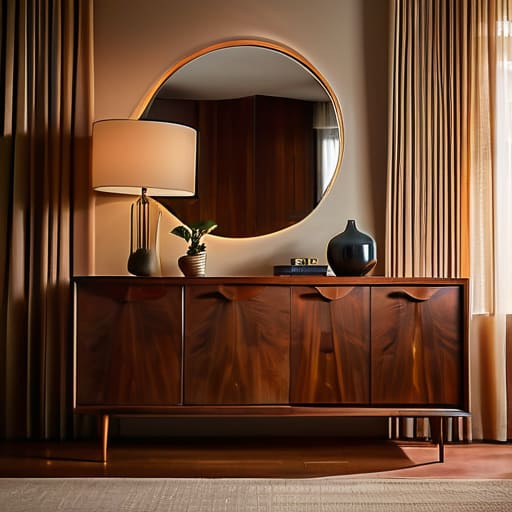
When I’m walking through a fixer-upper, I don’t just look at the floor plan; I look at the shadows. Most neglected properties suffer from “flat” lighting—one single, depressing overhead fixture that makes even a high-end renovation look cheap. To get the most bang for your buck, you have to master layering light in home decor. This means moving beyond the basics and creating depth by combining different light sources. You want to hit three distinct levels: ambient light for general visibility, task lighting for functional areas like kitchen counters, and accent lighting to draw the eye toward architectural features or a piece of thrifted mid-century furniture.
In my experience, the kitchen is where you win or lose the sale. If you’re looking for high-impact kitchen lighting renovation ideas, focus on under-cabinet LEDs and statement pendants over the island. This isn’t just about aesthetics; it’s about creating a sense of luxury that buyers can practically feel. I always advise my clients to invest in smart lighting integration where possible. Being able to tell a buyer they can set the “mood” for a dinner party with a single phone tap adds a layer of modern sophistication that justifies a much higher asking price.
Layering Light in Home Decor to Mask Renovation Flaws
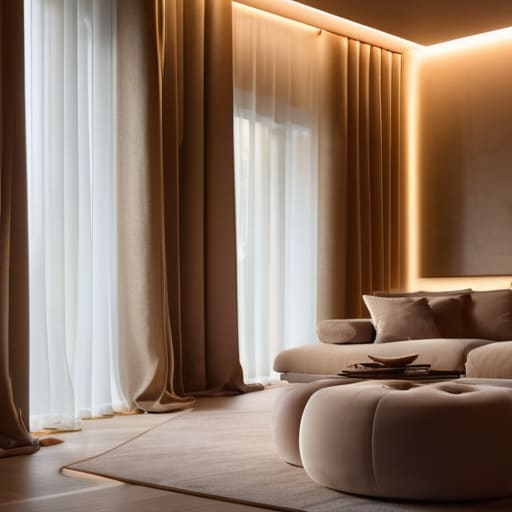
When I’m walking through a fixer-upper that’s seen better days, I’m not just looking at the floor plan; I’m looking for the shadows. Uneven flooring, cracked plaster, or a ceiling that’s slightly wonky can kill a buyer’s vibe instantly. This is where layering light in home decor becomes your secret weapon. Instead of relying on a single, harsh overhead fixture that acts like a spotlight on every imperfection, you want to create depth. By mixing different light sources, you can direct a buyer’s eyes toward your high-end finishes and away from those pesky structural quirks you haven’t quite smoothed out yet.
The trick is finding the right balance between ambient vs task lighting. I always suggest using soft, indirect ambient light to wash the walls, which can actually blur the edges of minor wall imperfections. Then, you layer in targeted task lighting—think sleek sconces or under-cabinet strips—to highlight the areas you did nail. If you’re tackling a kitchen, don’t just settle for standard fixtures; use kitchen lighting renovation ideas like pendant lights over an island to create a focal point that draws the eye upward, effectively masking a less-than-perfect backsplash or countertop seam.
My Go-To Lighting Tactics for Maximizing Resale Value
- Prioritize high-quality recessed lighting in high-traffic zones; it’s a non-negotiable for making a space feel modern and intentional rather than cluttered.
- Don’t skimp on statement pendants in the kitchen or dining area, as these act as visual anchors that signal “luxury” to a potential buyer the second they walk in.
- Swap out those dated, yellow-toned bulbs for smart LEDs with adjustable color temperatures so you can dial in a crisp, clean look that makes fresh paint pop.
- Use accent lighting to draw the eye toward your best features—like a beautiful backsplash or a custom mantle—and away from those awkward corners you didn’t have the budget to fix perfectly.
- Always install dimmer switches; being able to control the mood is a low-cost upgrade that makes a house feel like a curated home rather than just a construction project.
The Bottom Line: Lighting for Profit
Stop thinking about light as just a utility; treat it as a strategic tool to direct a buyer’s attention toward your best renovations and away from those inevitable construction scars.
Prioritize layering—ambient, task, and accent—to create depth, because a single overhead fixture is the fastest way to make a high-end rehab look cheap and flat.
Focus your budget on high-impact, visible fixtures; you don’t need custom designer pieces in every corner, but you do need smart, modern illumination that makes the space feel intentional and expensive.
The ROI of Illumination
“In this business, you learn pretty quickly that you aren’t just selling square footage; you’re selling a feeling. A well-placed light fixture can hide a wonky floorboard or a mediocre ceiling, turning a dingy fixer-upper into a space that actually feels worth the investment.”
Gareth Trelawny
Final Thoughts on Strategic Illumination
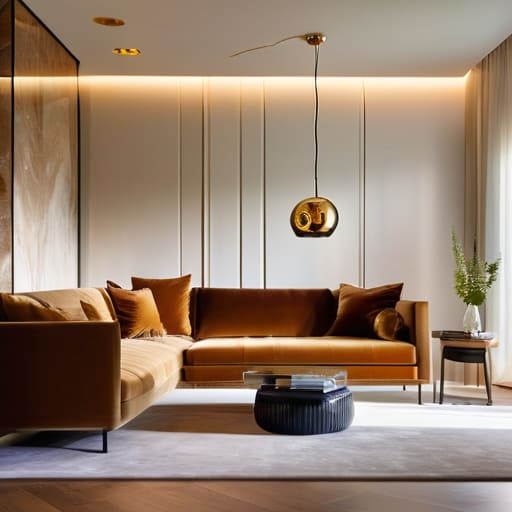
At the end of the day, lighting isn’t just a finishing touch; it’s a strategic tool that dictates how a buyer perceives the entire space. We’ve covered how to layer your light to hide those inevitable renovation imperfections and how to use modern design to drive up your ROI. Whether you’re installing high-end pendants to create a focal point or using subtle accent lighting to draw the eye away from a slightly crooked floorboard, the goal remains the same: control the narrative of the room. Don’t let a dim, yellowish glow make your hard-earned renovations look cheap. Invest in the right fixtures and you’ll see that smart illumination is one of the highest-leverage moves you can make in any flip.
I know that staring at a gutted room can feel overwhelming, especially when the budget is tight and the dust hasn’t settled. But remember, you aren’t just fixing walls; you are creating an atmosphere that people want to call home. Real estate investing is about seeing the light where others only see shadows. If you can master the way a room feels when the sun goes down, you’ll find that building equity is much more attainable than most people realize. Grab your laser measurer, pick your color temperatures, and get to work. The profit is in the details.
Frequently Asked Questions
How do I balance high-end designer fixtures with a tight renovation budget without making the space look cheap?
Here’s my rule of thumb: spend your money where people actually look. Invest in one “hero” piece—like a stunning mid-century pendant over the dining table—and go high-end there. It sets the tone for the whole room. For everything else, stick to high-quality, minimalist basics. Avoid the “cheap gold” trap; if a fixture looks overly shiny or plastic, skip it. Clean lines and matte finishes always look more expensive than faux luxury.
Are there specific lighting layouts that are better for highlighting architectural features versus masking structural imperfections?
If you’re trying to highlight a feature—like a reclaimed wood beam or a custom mantel—go with accent lighting. Use directional track lights or recessed spots to draw the eye exactly where you want it. But if you’re dealing with a structural headache, like a wonky ceiling or uneven walls, ditch the spotlights. Instead, lean into soft, ambient layers like floor lamps or dimmable pendants. It washes the room in a glow that smooths out those imperfections.
When flipping a property, is it worth investing in smart lighting systems, or should I stick to traditional, easy-to-use switches?
Look, I’m all about maximizing ROI, not chasing every shiny gadget. For a flip, I’d stick to traditional, high-quality switches. Most buyers want simplicity, not a tech headache they have to troubleshoot on move-in day. If you want that “wow” factor, use the budget to install dimmers or smart bulbs that are easy to reset. Don’t get bogged down in complex wiring; keep it functional, sleek, and easy for the next owner to manage.
