
I was standing in a gutted mid-century bungalow last November, covered in drywall dust and nursing a lukewarm coffee, when I realized most people are looking at renovation costs all wrong. They see a massive invoice for new plumbing or structural repairs and think they’re just losing money. But if you aren’t aggressively hunting for real estate tax benefits to offset those expenses, you’re essentially leaving your hard-earned equity on the table for the government to claim. I’ve seen too many smart investors get paralyzed by the sheer complexity of the tax code, thinking they need a high-priced firm just to understand the basics of a deduction.
I’m not here to give you a lecture on theoretical accounting or stuffy academic jargon. My goal is to show you how to use these incentives as strategic tools to fund your next project and scale your portfolio. I’ll be breaking down exactly how to navigate the messiest parts of the tax code so you can turn those crumbling walls into solid, long-term wealth. No fluff, no hype—just the practical, boots-on-the-ground tactics I use to keep my own projects profitable.
Table of Contents
- Smart Tax Write Offs for Landlords to Fund Your Next Fixer Upper
- Mastering Mortgage Interest Deduction to Build Your Portfolio Faster
- 5 Ways to Keep More Cash in Your Pocket for Your Next Project
- The Bottom Line: Turning Paperwork into Property
- Stop Leaving Money on the Table
- Turning Strategy into Equity
- Frequently Asked Questions
Smart Tax Write Offs for Landlords to Fund Your Next Fixer Upper
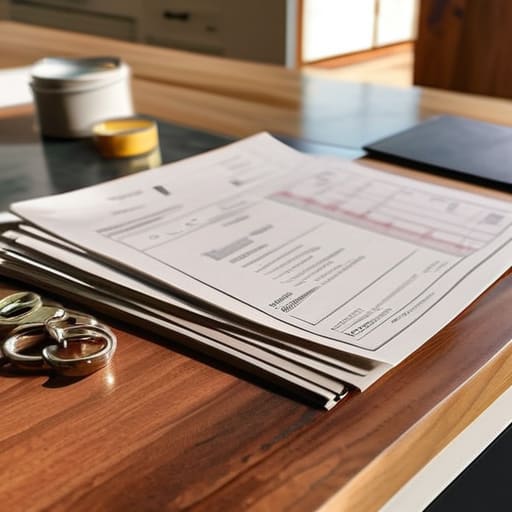
When you’re staring at a stack of receipts for new subflooring or a high-end kitchen remodel, it’s easy to feel the sting of those costs. But here’s the reality: those aren’t just expenses; they are essential tax write-offs for landlords that can significantly lower your taxable income. I always tell my clients to keep every single invoice from the job site. From the plumber who fixed a burst pipe to the contractor installing that mid-century modern lighting, these operational costs help offset your real estate rental income tax. If you aren’t tracking these small details, you’re essentially leaving money on the table that could have funded your next project.
Beyond the immediate repairs, you need to look at the bigger picture of how these deductions impact your long-term cash flow. For instance, the mortgage interest deduction is a massive lever you can pull to keep more of your profit. By strategically managing these deductions, you aren’t just saving a few bucks at tax time; you are actively building the capital needed to jump from a single-family fixer-upper to a multi-unit powerhouse. It’s about being ruthless with your documentation so you can be aggressive with your growth.
Mastering Mortgage Interest Deduction to Build Your Portfolio Faster

When you’re out there hunting for your next distressed property, the mortgage is likely your biggest monthly expense. But here’s the thing: that interest isn’t just a cost; it’s a tool. By leveraging the mortgage interest deduction, you’re essentially lowering the taxable amount of your real estate rental income. Instead of seeing all that rent as pure profit that the IRS can grab, you use the interest to shield your cash flow. It’s one of the most straightforward ways to keep more money in your pocket for the next down payment.
I’ve seen too many new investors get discouraged by the sheer scale of their debt, but you have to shift your mindset. Think of that interest as a way to subsidize your growth. When you combine this with other smart passive income tax strategies, you stop working for the bank and start making the bank work for your portfolio. Every dollar you save on taxes through these deductions is a dollar you can reinvest into high-quality materials or better contractors, helping you turn those crumbling walls into solid equity much faster than you thought possible.
5 Ways to Keep More Cash in Your Pocket for Your Next Project
- Don’t let depreciation slip through your fingers; it’s one of the most powerful non-cash expenses that lets you write off the wear and tear of your property against your income.
- Use Section 179 to deduct the full cost of heavy equipment or major improvements in a single year, rather than dragging those deductions out over a decade.
- Track every single repair versus improvement carefully, because while a new roof is a capital expense, fixing a leaky faucet is a direct write-off that lowers your immediate tax bill.
- Look into the 1031 Exchange if you’re ready to level up; it allows you to swap one investment property for another without getting hit by capital gains taxes right when you’re trying to scale.
- Keep a meticulous log of your travel and mileage to job sites, because those small trips to pick up materials or meet contractors add up to significant deductible business expenses.
The Bottom Line: Turning Paperwork into Property
Stop viewing taxes as a loss and start seeing them as a tool to offset the heavy costs of your next renovation.
Use mortgage interest deductions strategically to keep more cash in your pocket for the next down payment.
Success in this game isn’t just about finding the right house; it’s about keeping more of the equity you work so hard to build.
Stop Leaving Money on the Table
“Stop looking at tax benefits as just paperwork to file once a year; start seeing them as the hidden capital that funds your next renovation. Every smart deduction you claim is basically free money you’re pulling out of a crumbling wall and putting straight back into your equity.”
Gareth Trelawny
Turning Strategy into Equity

At the end of the day, navigating real estate tax benefits isn’t about finding a magic loophole; it’s about being disciplined with your numbers. Whether you are leveraging mortgage interest deductions to keep your cash flow healthy or utilizing smart write-offs to offset those inevitable, messy renovation costs, every dollar you save is a dollar you can reinvest. I’ve seen too many investors leave money on the table simply because they didn’t understand how their tax strategy directly impacts their renovation budget. Remember, the goal isn’t just to own property—it’s to optimize every single cent to ensure your portfolio actually grows.
Building a real estate empire is a marathon, not a sprint, and it’s often a dirty, exhausting one. There will be days when you’re staring at a cracked foundation or a blown budget, wondering if it’s worth the headache. But when you pair a sharp eye for design with a rigorous understanding of your tax advantages, you aren’t just fixing houses; you are building a foundation for generational wealth. Don’t let the complexity of the tax code intimidate you. Grab your laser measurer, get your books in order, and start turning those crumbling walls into solid equity.
Frequently Asked Questions
How do I distinguish between a repair that I can write off immediately and a capital improvement that has to be depreciated over time?
Think of it this way: if you’re fixing something that’s broken to keep it in its current state—like patching a hole in the drywall or fixing a leaky faucet—that’s a repair. You can write that off immediately. But if you’re making the property better, bigger, or longer-lasting—like swapping old carpet for hardwood or replacing the entire roof—that’s a capital improvement. Those costs get depreciated over time, helping you build equity while managing the tax hit.
If I'm flipping a house rather than holding it as a rental, do I still get to use these same tax strategies?
Not exactly. When you’re flipping, the IRS views you more like a business owner selling inventory rather than a landlord collecting rent. You won’t be looking at mortgage interest deductions for long-term holds; instead, you’ll focus on deducting every single cent of those renovation costs—materials, contractor fees, even that laser measurer in my bag—directly against your sale price. It’s about lowering your taxable profit so you keep more of that hard-earned equity.
At what point does my renovation budget get too large for me to reasonably claim everything as a business expense?
Look, there isn’t a magic number where the IRS suddenly decides you’re a hobbyist, but there is a line where things get messy. If your renovation costs consistently dwarf your rental income, you’re moving out of “investor” territory and into “hobbyist” territory in the eyes of the tax man. You need to prove a profit motive. If you’re sinking massive capital into a single property without a clear path to cash flow, keep your receipts tight and your strategy documented.
