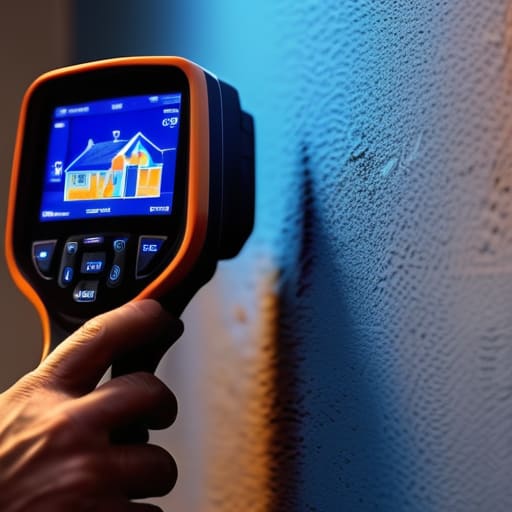
I still remember the smell of damp drywall and old rot from my first solo flip—a house that looked like a mid-century dream on the surface but felt like a sinking ship the moment I stepped into the basement. I had relied on a generic, checklist-style property inspection that missed a massive foundation crack because the inspector was too busy looking at the electrical panel to actually look at the bones of the building. That mistake cost me three weeks and five figures in unexpected repairs, and it taught me a lesson I’ll never forget: a piece of paper from a professional doesn’t mean you’re safe if you haven’t learned how to read the house yourself.
I’m not here to give you a lecture on building codes or academic theories that don’t apply when you’re staring at a crumbling joist. Instead, I’m going to show you how to perform a boots-on-the-ground assessment that actually protects your capital. We are going to dive into the red flags that turn a “fixer-upper” into a financial nightmare, and I’ll teach you exactly what to hunt for so you can walk into any renovation with total confidence.
Table of Contents
- The Pre Purchase Home Assessment Hunting for Hidden Gold
- A Professional Inspector Checklist for the Savvy Investor
- Red Flags and Real Returns: 5 Inspection Hacks I Never Skip
- The Bottom Line: Don't Let the Dust Blind You
- ## The Difference Between a Deal and a Disaster
- Don't Let the Dust Blind You
- Frequently Asked Questions
The Pre Purchase Home Assessment Hunting for Hidden Gold

Before you even get close to the closing table, you need to treat that walkthrough like a tactical reconnaissance mission. A standard pre-purchase home assessment isn’t just about checking if the kitchen looks “vibey” enough for a flip; it’s about finding the deal-breakers that could swallow your entire profit margin. I always start by looking at the bones. I’m talking about identifying foundation cracks that look like mere hair-line fractures but are actually signs of a settling nightmare. If the walls are bowing, your budget for mid-century modern light fixtures won’t matter because you’ll be spending it all on structural piers.
Next, I move my focus to the systems that most amateur flippers ignore until it’s too late. I never skip a thorough electrical and plumbing safety check, because replacing outdated knob-and-tube wiring or corroded pipes is a massive, unglamorous drain on your capital. You have to be ruthless here. If the bones are rotten, you walk away. My goal isn’t just to buy a house; it’s to secure a predictable renovation timeline that keeps my equity growing instead of bleeding out.
A Professional Inspector Checklist for the Savvy Investor

Once you’ve identified a potential winner, you need to move beyond the surface-level charm and get surgical. I never walk into a deal without a rigorous professional inspector checklist in hand, because my profit margins live or die in the details. You aren’t just looking for cosmetic flaws; you are hunting for the “deal-breakers” that could eat your entire renovation budget before you even swing a hammer.
First, prioritize a deep-dive roof and drainage inspection. A leaking roof is a headache, but poor drainage that directs water toward your foundation is a financial catastrophe. While you’re at it, don’t skip the electrical and plumbing safety check. In these older fixer-uppers I hunt, outdated wiring isn’t just a code violation—it’s a massive liability that can derail your timeline.
Lastly, use this data to navigate your real estate contingency period with total confidence. If the inspector finds something significant, you need that information ready to use during negotiations. Whether you’re asking for a credit or walking away entirely, knowledge is your strongest leverage when turning a crumbling house into a high-yield asset.
Red Flags and Real Returns: 5 Inspection Hacks I Never Skip
- Don’t get distracted by the staging; I’ve seen too many “designer” living rooms hide massive foundation cracks behind a trendy velvet sofa. Look past the aesthetics and get on your hands and knees to check the basement for moisture.
- The electrical panel is where the real math happens. If you open it up and see a mess of outdated wiring or a brand that looks like it belongs in a museum, you aren’t just looking at a repair—you’re looking at a massive budget killer.
- Test every single faucet and flush every toilet simultaneously. I need to know if the water pressure tanks immediately when the load increases; if it does, you’re likely staring down a costly plumbing overhaul.
- Check the roof from the ground if you can, but don’t trust a “good looking” roof blindly. Look for signs of sagging in the ridgeline or uneven shingles, because a roof that’s nearing its end-of-life is the fastest way to bleed your renovation budget dry.
- Always sniff for the invisible. A heavy scent of air freshener or excessive ventilation in a small room is a massive red flag for mold or dampness hidden behind the drywall, and that’s the kind of “hidden” cost that eats your equity alive.
The Bottom Line: Don't Let the Dust Blind You
Never fall in love with a floor plan before you’ve checked the bones; a beautiful layout won’t save you from a foundation that’s shifting.
Treat your inspection as a negotiation tool, not just a checklist, because every structural flaw you find is leverage to drive the purchase price down.
Always budget a “chaos buffer” into your renovation math to cover the expensive surprises that even the best professional inspector might miss.
## The Difference Between a Deal and a Disaster
“A property inspection isn’t just a box to tick on your due diligence list; it’s your only defense against a renovation that turns into a bottomless money pit. I’d rather find a cracked foundation during a walkthrough than find out my equity is leaking through the floorboards six months after closing.”
Gareth Trelawny
Don't Let the Dust Blind You

At the end of the day, a property inspection isn’t just about checking boxes on a clipboard; it’s about protecting your capital. We’ve covered how to spot those structural red flags before they drain your bank account and how to use a professional checklist to separate the genuine opportunities from the total disasters. Remember, the goal isn’t to find a perfect house—because those don’t exist in this business—it’s to find a house where the flaws are fixable and predictable. If you can quantify the cost of the repairs during the inspection phase, you’ve already won half the battle.
Real estate investing is a gritty, hands-on game, and it requires a certain level of grit to look past the ugly wallpaper and see the structural integrity underneath. Don’t let the fear of a messy inspection report keep you on the sidelines. Every crumbling wall and outdated electrical panel is just another way to build your equity if you have the right data in hand. Stop looking for perfection and start looking for potential. Grab your laser measurer, get on that job site, and go find your next win.
Frequently Asked Questions
How do I tell the difference between a cosmetic issue and a structural dealbreaker when I'm walking through a property?
Look, I’ve seen it all: a cracked tile is just a quick fix, but a crack in the foundation? That’s a nightmare. Here’s my rule of thumb: if it’s surface-level—peeling wallpaper, dated cabinetry, or scuffed floors—it’s cosmetic. That’s where we find our margin. But if the issue affects the “bones”—sagging rooflines, uneven floors, or water stains on the ceiling—you’re looking at a structural dealbreaker. Don’t let a pretty kitchen distract you from a sinking slab.
Is it actually worth paying for a specialized inspector for things like electrical or plumbing, or can I rely on a general home inspection?
Look, a general inspector is your first line of defense, but they aren’t surgeons. If you’re staring at a house with knob-and-tube wiring or ancient galvanized pipes, don’t be cheap. A generalist might tell you the panel looks “old,” but a master electrician will tell you if it’s a fire hazard waiting to happen. I’d rather spend an extra few hundred on a specialist now than lose fifty grand to a catastrophic flood or electrical failure later.
At what point during the negotiation should I use the inspection report to push for price reductions or repair credits?
Timing is everything. Don’t wave that report around the second you get it; wait until you’ve reviewed the findings against your actual renovation budget. Once you’ve categorized what’s a “deal-breaker” (structural/mechanical) versus a “cosmetic fix,” use it during the post-inspection negotiation phase. This is your leverage. Present the report not as a list of complaints, but as a roadmap of necessary capital expenditures that directly justify your request for credits or a lower price.
