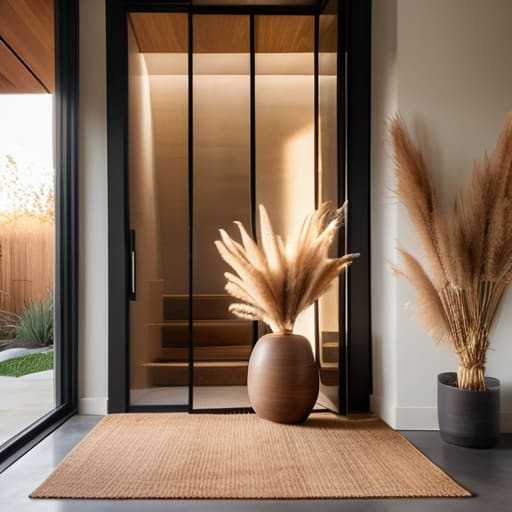
I still remember the smell of damp drywall and old floor wax from my first solo flip—a tiny, neglected bungalow that looked like it hadn’t seen a paintbrush since the nineties. I stood in that cramped, dark foyer, clutching my laser measurer, and realized that most people treat entryway design as an afterthought, something you just slap a coat of beige paint on and call a day. They think you need a massive budget for custom millwork or a grand foyer to make an impression, but that’s just expensive nonsense that eats your margins alive.
I’m not here to sell you on Pinterest-perfect fantasies that cost a fortune and offer zero ROI. Instead, I’m going to show you how to use strategic, high-impact updates to turn a cluttered, dark entrance into a polished statement piece. We’re going to focus on smart, scalable moves—from lighting to functional storage—that actually build equity. If you’re ready to stop wasting money on fluff and start focusing on tangible value, let’s get to work.
Table of Contents
Mastering First Impression Home Decor for Maximum Impact
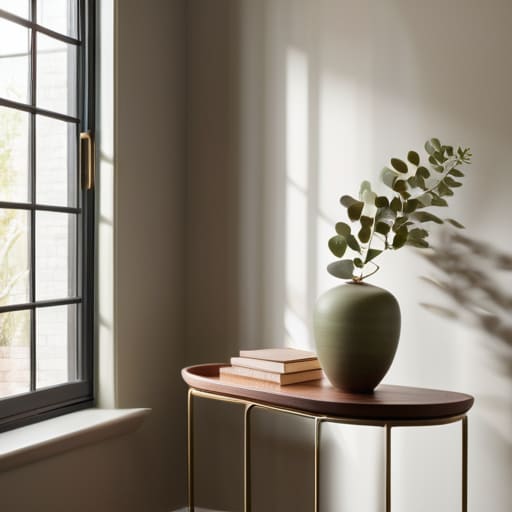
When I’m walking into a property for a walkthrough, my eyes immediately go to the foyer. It’s not just about aesthetics; it’s about how the space functions the moment a person steps through the door. If a buyer walks into a pile of shoes and tangled coats, they’ve already mentally checked out of the house. To prevent that, I focus heavily on entryway console table styling that balances form and function. You want a slim, high-impact piece that provides a landing strip for keys and mail without choking the flow of the room.
Don’t let a cramped layout stop you from making a statement, either. I’ve seen some of my most profitable flips rely on clever small entryway organization tips to make a tight space feel intentional rather than cluttered. Think about adding a sleek wall-mounted hook system or a slim bench to keep the floor clear. My rule of thumb is simple: if the decor doesn’t serve a purpose or elevate the vibe, it’s just dead weight. You want to create a sense of immediate order that tells a buyer this home is well-managed and ready for them.
Elevating Space With Modern Foyer Furniture Ideas
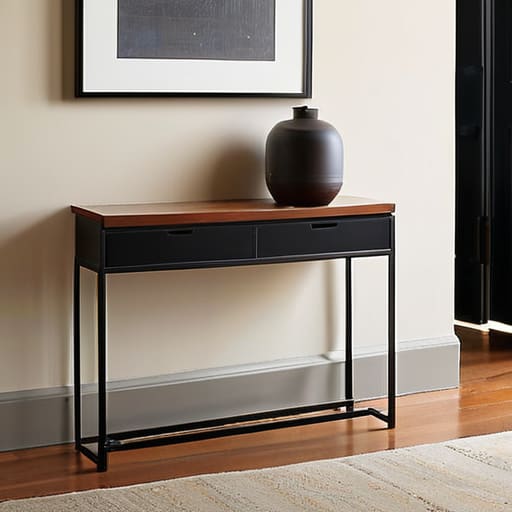
When you’re looking at a cramped or awkward foyer, the temptation is to just shove a bench against the wall and call it a day. But if you’re serious about maximizing your ROI, you need to look at modern foyer furniture ideas that balance aesthetics with actual utility. I’m a huge proponent of the slim-profile console table. It’s a lifesaver in tighter spaces because it provides a landing zone for keys and mail without choking the flow of the room. Pair a sleek, black metal frame with a warm wood top to hit that industrial chic note I love, and you’ve instantly elevated the entire vibe of the house.
Don’t let the scale of the furniture overwhelm the room, though. If you’re dealing with a narrow hallway, focus on verticality and slim silhouettes. Instead of a bulky chest, try a lightweight pedestal or a narrow floating shelf. This keeps the floor visible, which trickily makes the area feel much larger. It’s all about that strategic balance: you want pieces that feel intentional and high-end, not like you just grabbed whatever was on sale at a big-box retailer.
Five High-ROI Moves to Level Up Your Entryway
- Stop neglecting your lighting; swapping out a builder-grade flush mount for a statement pendant can make a cramped foyer feel intentional and high-end without a full electrical overhaul.
- Invest in a high-quality runner rug to define the zone, but make sure it’s durable—I’ve seen too many investors blow their budget on silk rugs that get shredded by muddy boots in a week.
- Use mirrors to cheat the square footage, especially in those narrow hallways that feel like tunnels; a large, strategically placed mirror bounces light and makes a small entry feel twice as wide.
- Create a “drop zone” that actually functions, like a slim console table or a built-in bench, so clutter doesn’t migrate from the door to the living room—clutter is the ultimate equity killer.
- Don’t underestimate the power of hardware; replacing dated door handles or adding matte black hooks can provide that “designer touch” that makes a renovation feel finished rather than rushed.
The Bottom Line: Turning Your Entryway into ROI
Stop treating the foyer as an afterthought; it’s your property’s handshake, and a strategic, high-impact refresh is one of the fastest ways to justify a higher asking price.
Focus on “smart” furniture—pieces that offer functional storage to hide the daily chaos while maintaining that clean, minimalist aesthetic buyers crave.
Always prioritize durability and scale; if your entryway pieces look cheap or feel cramped, it signals to a potential buyer that the rest of the house might be poorly maintained.
The Equity in the Entryway
“Stop looking at your foyer as just a place to drop your keys; start seeing it as the highest-leverage zone in the house. A strategic entryway refresh isn’t just about decor—it’s about setting the narrative for the entire property before a buyer even reaches the living room.”
Gareth Trelawny
From First Impressions to Final Equity
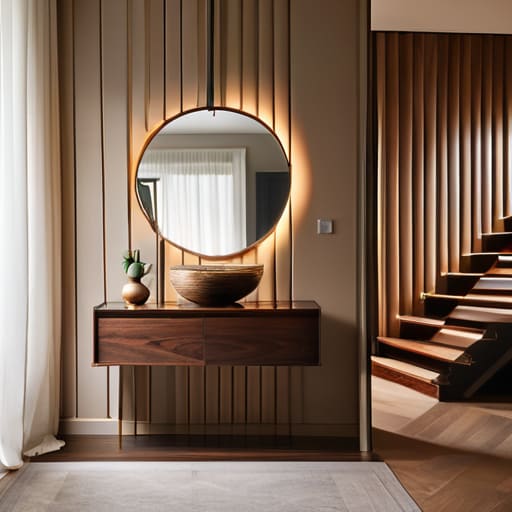
At the end of the day, an entryway isn’t just a hallway or a place to drop your keys; it’s a strategic tool in your renovation arsenal. We’ve talked about everything from selecting the right statement furniture to ensuring your decor creates that immediate “wow” factor for potential buyers. Remember, you don’t need to gut the entire house to see a return. By focusing on smart, intentional upgrades—like a well-placed console table or a cohesive lighting plan—you are effectively bridging the gap between a cluttered entrance and a high-value asset. It’s about making sure that every dollar you spend on that foyer is a calculated move toward increasing your property’s bottom line.
I know that staring at a cramped, outdated entryway can feel overwhelming, especially when you’re staring down a long list of renovations. But don’t let the mess intimidate you. Every crumbling wall and dated floorboard is just an opportunity in disguise. If you approach these spaces with a disciplined eye and a clear plan, you’ll find that the most neglected corners often yield the highest rewards. Stop looking at what the space is, and start seeing what it could become. Grab your laser measurer, get to work, and let’s start building that equity.
Frequently Asked Questions
How do I balance high-end aesthetic upgrades with a tight renovation budget when I'm flipping a property?
You have to play the “high-low” game. Don’t blow your budget on designer faucets or custom cabinetry; that’s where the profit dies. Instead, pour your capital into the things buyers touch every day—solid hardware, a statement light fixture, or a high-quality rug. For everything else, thrift a vintage mid-century console or use high-end paint to elevate basic materials. Focus on the visual impact, not the brand name. It’s about perceived value, not luxury labels.
Are there specific lighting fixtures that provide the best ROI for a small, dark entryway?
If you’re dealing with a dark, cramped foyer, skip the heavy, ornate chandeliers—they just eat up visual space. For the best ROI, go with a sleek, matte black or brushed brass semi-flush mount. It keeps the ceiling feeling high while adding that designer touch. I also swear by adding a slim wall sconce or even a motion-activated LED strip under a console table. It creates layers of light that make a tiny space feel intentional, not claustrophobic.
What are the best durable flooring options that look designer but can actually withstand heavy foot traffic during a showing?
If you’re looking to balance high-end aesthetics with the reality of a busy renovation, go with Luxury Vinyl Plank (LVP). It’s my go-to because it’s waterproof and nearly indestructible, but modern versions mimic wide-plank white oak so well that buyers can’t tell the difference. If your budget allows, engineered hardwood is a solid runner-up for that premium feel, but for high-traffic flips, LVP gives you that designer look without the maintenance headache.
