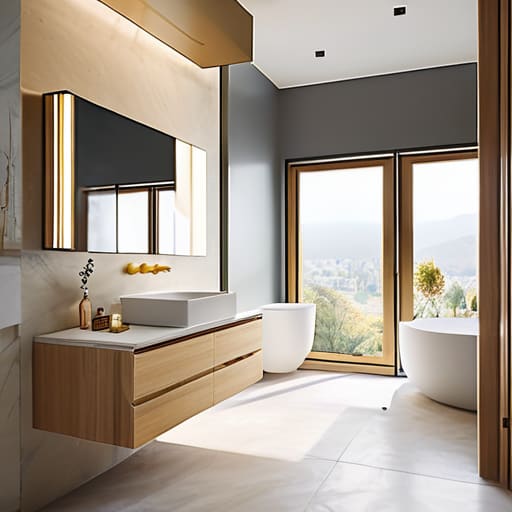
I was knee-deep in sawdust and lime mortar last Tuesday, staring at a 4×4 powder room in a Victorian fixer-upper that felt more like a broom closet than a functional space. Most “experts” will tell you that you need to tear down load-bearing walls or blow your entire budget on custom Italian marble to make a cramped layout work, but honestly? That’s just expensive nonsense. I’ve seen too many investors bleed cash trying to force a luxury spa aesthetic into a footprint that simply won’t allow it. If you’re hunting for small bathroom ideas that actually move the needle on your property value without draining your bank account, you need to stop looking at Pinterest trends and start looking at spatial efficiency.
I’m not here to sell you on a dream; I’m here to give you a blueprint. In this guide, I’m stripping away the fluff to share the exact, high-impact strategies I use when I’m on a job site turning neglected, tiny baths into high-value assets. We’re going to talk about smart storage, lighting hacks, and layout tweaks that maximize every single square inch. My goal is to help you build real equity through strategic, no-nonsense renovations that work as hard as you do.
Table of Contents
- Maximizing Small Bathroom Storage to Boost Asset Value
- Smart Small Bathroom Color Palettes for Instant Appeal
- High-ROI Tweaks: 5 Ways to Level Up a Cramped Bathroom
- The Bottom Line: Turning Square Footage into Equity
- ## The Investor’s Mindset on Square Footage
- Turning Small Spaces into Big Wins
- Frequently Asked Questions
Maximizing Small Bathroom Storage to Boost Asset Value
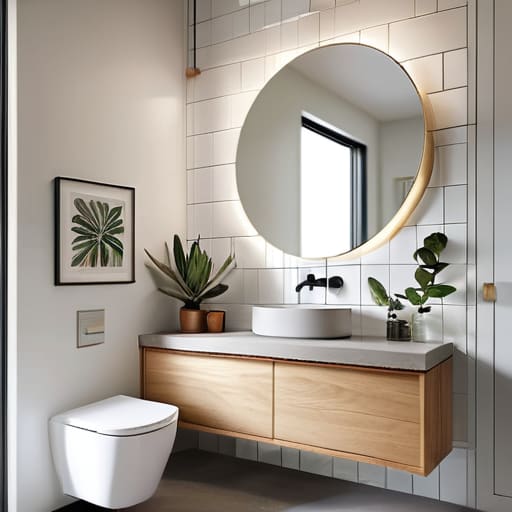
When I’m walking through a property, I look past the outdated tile and focus on the floor plan. In a small bathroom, clutter is the ultimate value-killer. If a buyer sees piles of shampoo bottles and tangled hair dryers, they don’t see a sanctuary; they see a headache. To fight this, I always push for maximizing small bathroom storage through verticality rather than floor space. This is where floating vanity options become a total game-changer. By lifting the cabinetry off the floor, you create a sense of openness and “visual breathing room” that makes even a cramped powder room feel significantly larger.
Don’t overlook the walls, either. I’m a huge advocate for integrating recessed shelving into the shower or installing high-quality mirrored medicine cabinets that blend seamlessly into the design. The goal isn’t just to hide the mess, but to create a streamlined, intentional look. When you eliminate the visual noise, you’re not just tidying up; you’re prepping the space to command a higher asking price by proving that even a tiny footprint can be efficient and high-end.
Smart Small Bathroom Color Palettes for Instant Appeal
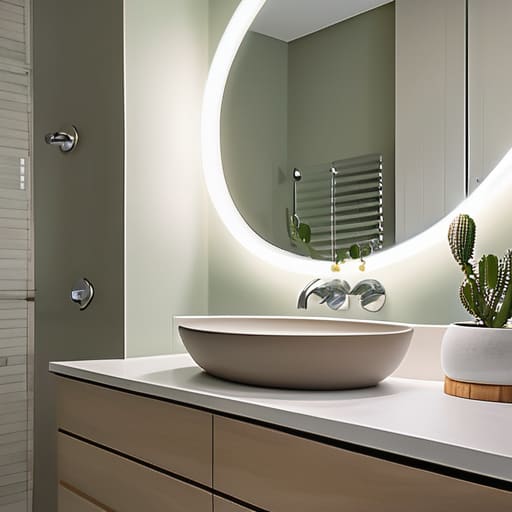
When I’m walking into a property with a cramped, dark bathroom, my first instinct isn’t to reach for a sledgehammer—it’s to look at the light. Color is your most cost-effective tool for manipulating perception. If you want to make a tiny footprint feel expansive, stop reaching for heavy, moody tones. Instead, lean into light, airy neutrals like soft whites, pale greys, or even a very muted sage. These shades reflect light rather than absorbing it, which is essential when you’re working with limited square footage.
However, don’t mistake “neutral” for “boring.” To keep the space from feeling clinical, I like to introduce texture through minimalist bathroom decor. Think matte black hardware against a crisp white tile or a light oak vanity to add warmth. If you’re looking to create a high-end, spa-like atmosphere that appeals to future buyers, consider using monochromatic small bathroom color palettes. By keeping the tile, walls, and fixtures within the same tonal family, you eliminate visual clutter, making the entire room feel significantly larger and much more expensive than it actually is.
High-ROI Tweaks: 5 Ways to Level Up a Cramped Bathroom
- Stop fighting the layout and start using the vertical space; install floating shelves or custom cabinetry that reaches toward the ceiling to draw the eye up and add much-needed storage without eating into your floor plan.
- Swap out that bulky, dated vanity for a wall-mounted floating sink; it’s a classic industrial move that exposes more floor area, making the entire room feel significantly less claustrophobic.
- Upgrade your lighting from a single, sad overhead bulb to layered sources like sleek sconces or dimmable recessed lights; good lighting is the cheapest way to make a budget renovation look like a high-end custom build.
- Go big with your hardware; replacing generic, builder-grade faucets and pulls with matte black or brushed brass fixtures adds an instant sense of intentional design and “finished” quality that buyers crave.
- Don’t overlook the mirror game; ditch the small, framed rectangle for a large, oversized mirror that spans the width of the vanity to bounce light around and trick the eye into seeing a much larger footprint.
The Bottom Line: Turning Square Footage into Equity
Stop viewing a small footprint as a limitation and start seeing it as a way to minimize renovation costs while maximizing per-square-foot value.
Prioritize high-impact, functional upgrades—like clever storage and light-reflective palettes—over expensive, purely aesthetic features that don’t solve a spatial problem.
Always design with the exit strategy in mind; every choice you make in a cramped bathroom should aim to make the space feel larger and more premium to the next buyer.
## The Investor’s Mindset on Square Footage
“Stop looking at a cramped bathroom as a limitation; start seeing it as a high-yield opportunity. In this game, you aren’t just picking tile colors—you’re engineering efficiency to maximize every single square inch of equity.”
Gareth Trelawny
Turning Small Spaces into Big Wins
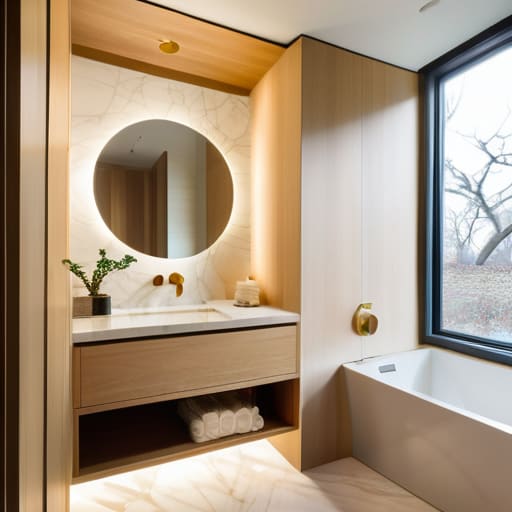
At the end of the day, renovating a small bathroom isn’t about how much square footage you have to work with; it’s about how strategically you use every single inch. We’ve covered how to maximize your storage to prevent that cluttered, cheap look and how to leverage the right color palettes to make a cramped room feel airy and expensive. Remember, every decision you make—from the floating vanity to the tile choice—should be viewed through the lens of maximizing ROI. If a design element doesn’t add both utility and aesthetic value, it doesn’t belong in your renovation plan. Focus on the details that drive equity, and you’ll find that even the smallest powder room can become a standout feature in your property.
I know that staring at a gutted, tiny bathroom can feel overwhelming, especially when you’re balancing a budget and a timeline. But don’t let a lack of space shake your confidence. Every crumbling wall and cramped layout is just an opportunity waiting for a sharp eye to see its true potential. Real estate investing is a marathon, not a sprint, and mastering these small-scale wins is exactly how you build the momentum needed for larger, more lucrative flips. Stop looking at the limitations and start looking at the profit potential. Grab your laser measurer, get to work, and let’s turn that wasted space into a high-value asset.
Frequently Asked Questions
Is it actually worth the extra cash to knock down a wall for an open-concept layout, or am I just blowing my budget for diminishing returns?
Look, I’ve seen both sides of this on the job site. If you’re knocking down a wall to create a seamless flow between a cramped vanity and a larger area, do it—it increases the perceived square footage and buyer appeal. But if you’re gutting a structural wall just for the sake of “openness” and blowing your contingency fund on steel beams, stop. You’re trading actual equity for a trend that might not pay off.
When I'm looking at a fixer-upper, how can I tell if a tiny bathroom is a quick cosmetic win or a structural nightmare waiting to drain my bank account?
Before you dive in, grab that laser measurer and look at the walls. If the tiles are just dated and the vanity is a relic, you’re looking at a high-margin cosmetic win. But if you see cracks snaking through the grout or feel a weird slope in the floor, run. That’s not just “character”—that’s a plumbing or structural nightmare that will eat your renovation budget alive before you even pick out a faucet.
Which specific high-end finishes should I prioritize to make a small space feel expensive without over-improving for the neighborhood?
Focus on the “touchpoints”—the things people actually feel and see up close. Swap out builder-grade chrome for brushed gold or matte black hardware; it’s a low-cost way to signal luxury. I always prioritize high-quality, large-format tiles to minimize grout lines, which makes the floor feel expansive rather than cluttered. Finally, invest in a solid-surface vanity top. It feels substantial and expensive, but it won’t blow your budget like custom cabinetry would.
