
I was standing in a dusty, gutted living room in a mid-century ranch last October, staring at a set of water-damaged, peeling casings, when my contractor suggested we pull the whole window assembly to “do it right.” I nearly laughed in his face. Most people think you need to spend thousands on custom-milled millwork to make a renovation look high-end, but that is a massive waste of capital that eats directly into your margins. The truth is, you don’t need a custom budget to fix bad window trim; you just need to know which specific profiles actually add value and which ones are just expensive filler.
I’m not here to sell you on a Pinterest-perfect fantasy that leaves your bank account empty. Instead, I’m going to give you the straightforward, boots-on-the-ground truth about selecting, installing, and finishing trim that maximizes your ROI. We’re going to talk about how to spot the difference between a cheap fix and a strategic upgrade, ensuring every dollar you spend on those frames is actually building equity rather than just burning cash.
Table of Contents
Choosing Window Trim Material Types That Last
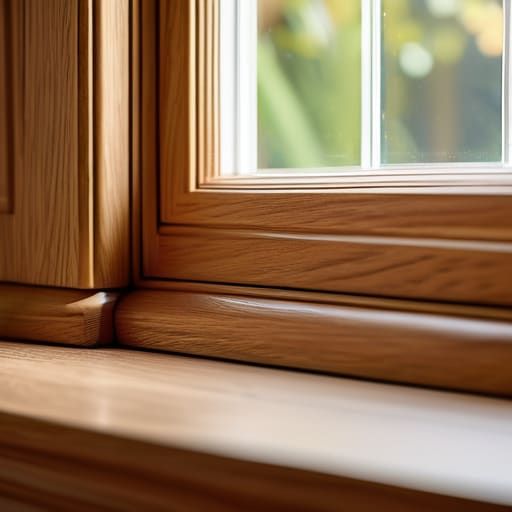
When you’re staring down a renovation budget, it’s tempting to grab the cheapest MDF you can find at the big-box store. But if you’re looking to build real equity, you need to think about longevity. For high-traffic areas or rooms prone to moisture, I always lean toward solid wood or high-quality polyurethane. Wood gives you that authentic, substantial feel that buyers can actually sense when they walk through a room, but it requires a bit more love in terms of sanding and painting.
If you’re aiming for a sleeker, more streamlined look, exploring different window trim material types is essential to matching your overall design intent. For instance, if I’m working on a mid-century modern rehab, I might opt for thinner, more precise profiles that don’t scream “builder grade.” You don’t want to pick a material that warps or peels in two years; that’s just throwing your profit margin down the drain. Instead, focus on selecting architectural window detailing that complements the structural integrity of the house, ensuring the finish stays crisp long after the closing papers are signed.
Finding Value in Decorative Window Frame Profiles
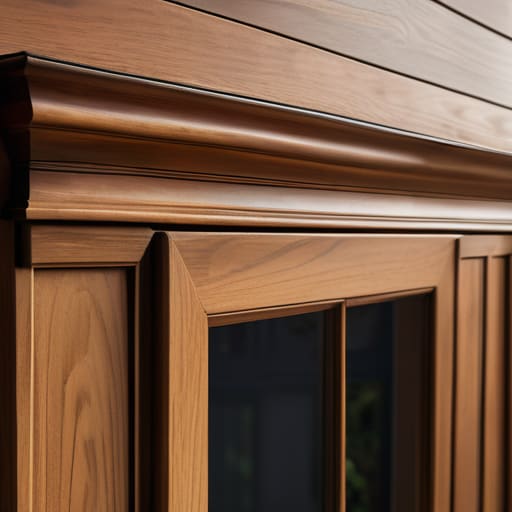
When you’re walking through a neglected property, the bones tell you a lot, but the details tell you the profit margin. I always tell my clients to look closely at the existing architectural window detailing. If you’re dealing with a house that has character—think Craftsman or Victorian—ripping out heavy, ornate profiles to install basic, flat stock is a rookie mistake that kills your resale value. You want to find a profile that respects the home’s era while feeling intentional. Sometimes, all it takes is a bit of sanding and a fresh coat of paint to make a vintage profile look high-end rather than dated.
On the flip side, if you’re flipping a mid-century minimalist space, you want to lean into clean, sharp lines. In these cases, I look for modern window trim design ideas that emphasize geometry over fluff. A slim, flat casing can instantly elevate a room from “old fixer-upper” to “curated contemporary.” The goal isn’t just to cover the gap between the wall and the frame; it’s about using those shapes to frame the view like a piece of art. That’s how you turn a standard renovation into a high-value asset.
My Pro Tips for Getting Window Trim Right the First Time
- Don’t skimp on the quality of your caulk; if you leave gaps between the trim and the wall, the whole room looks amateur, and you’ll be back fixing it in six months.
- Always measure your window openings twice before ordering any custom profiles—nothing kills my profit margin faster than a piece of expensive millwork that’s a quarter-inch too short.
- Think about the paint job, not just the wood; if you’re working with a tight budget, choose a smooth MDF trim that takes paint beautifully so you can save on material costs without sacrificing the look.
- Use the trim to hide your mistakes, specifically where the drywall meets the window casing, so you don’t have to spend extra hours on perfect plasterwork.
- Stick to classic, timeless profiles rather than anything too trendy; I want these flips to look high-end for years, not like they were stuck in a specific design fad from three years ago.
The Bottom Line on Window Trim
Don’t overspend on high-end exotic woods; focus on durable, moisture-resistant materials like primed MDF or composite that can handle the wear and tear of a new homeowner.
Prioritize profile over prestige—a clean, modern trim profile can make a dated room feel instantly renovated without the cost of custom millwork.
Treat trim as the finishing touch that seals the deal; it’s the bridge between your paint job and your walls, so don’t skimp on the quality if you want that “finished” look that drives equity.
The Small Detail That Protects Your Margin
“When you’re staring down a renovation budget, it’s easy to want to skip the window trim to save a few bucks, but don’t. It’s one of those small, inexpensive details that bridges the gap between a house that looks ‘rehabbed’ and a home that looks high-end. If you leave the old, beat-up casing in place, you’re essentially leaving equity on the table.”
Gareth Trelawny
The Bottom Line on Trim and ROI
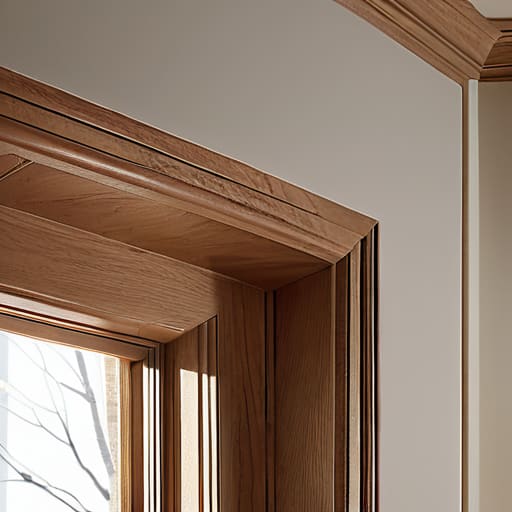
At the end of the day, window trim isn’t just a finishing touch; it’s a strategic decision that bridges the gap between a “renovated house” and a “designer home.” We’ve covered how picking the right material—whether it’s durable MDF or high-end wood—can prevent future maintenance headaches, and how selecting a profile that complements your architectural style can significantly boost perceived value. Don’t let yourself get distracted by the big-ticket items like kitchen islands and forget that it is often these small, structural details that catch a buyer’s eye during a walkthrough. If you invest the time to get the trim right, you aren’t just covering up gaps; you are solidifying the equity you’ve worked so hard to build.
I know that when you’re staring at a gutted room with dust in your lungs, it’s easy to feel overwhelmed by the minutiae. But remember, every successful flip is just a series of smart, calculated choices stacked on top of one another. You don’t need a perfect, untouched house to start building wealth; you just need the grit to fix the parts that are broken. Treat every piece of molding and every corner bead as an opportunity to transform a liability into an asset. Keep your eyes on the prize, keep your laser measurer handy, and go turn those crumbling walls into real profit.
Frequently Asked Questions
How do I figure out if the existing trim is worth saving or if it’s faster to just rip it all out?
Look, I’ve been there—staring at a wall wondering if I’m about to waste a weekend or save a fortune. If the trim is solid wood and has a profile that isn’t totally dated, save it. It adds character that new MDF just can’t mimic. But if it’s water-damaged, crumbling, or made of cheap, flimsy material, don’t fight the battle. Rip it out. Your time is better spent on things that actually drive equity.
Is it worth spending more on high-end casing if I'm planning to flip the house in under a year?
If you’re flipping in under a year, don’t go overboard on custom-milled, high-end casing. You’ll eat your margins before you even hit the closing table. Instead, aim for the “sweet spot”: high-quality, pre-primed MDF with a substantial profile. It looks expensive in listing photos and handles the rigors of a renovation better than cheap pine, but it won’t drain the equity you’re trying to build. Keep it clean, keep it classy, but keep it profitable.
What's the best way to handle trim installation if the walls in this old fixer-upper are completely unlevel?
Look, I’ve been in plenty of houses where the walls look like they’re leaning mid-collapse. If the walls are unlevel, do not try to force the trim to follow those crooked lines—you’ll end up with massive, ugly gaps. Instead, use a slightly wider profile to mask the wonkiness and rely on high-quality caulk and wood filler to bridge the seams. It’s all about making the eye believe the line is straight.
