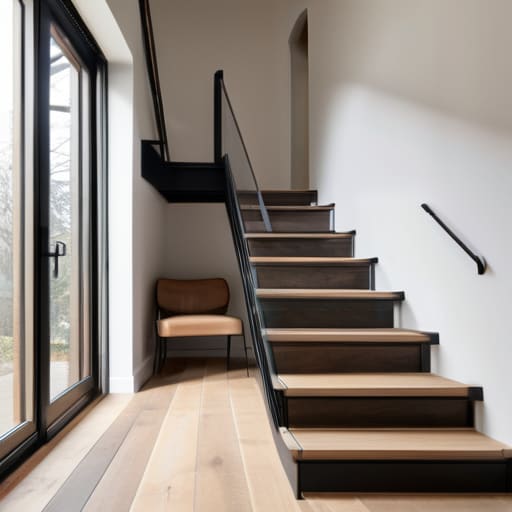
I still remember standing in the middle of my first fixer-upper, staring up at a mahogany-stained, carpet-covered eyesore that looked like it belonged in a 1980s dentist’s office. My contractor wanted to charge me five figures to rip the whole thing out and start from scratch, claiming a full replacement was the only way to go. I knew better. Most people see a crumbling or dated stairwell and think they need to blow their entire budget on a complete overhaul, but that’s a massive mistake if you’re trying to maximize your ROI. A smart staircase renovation isn’t about tearing down the bones; it’s about identifying which parts are actually worth saving and which parts are just draining your bank account.
I’m not here to sell you on some overpriced, high-end designer fantasy that won’t actually move the needle on your property value. Instead, I’m going to show you how to approach a staircase renovation with a strategic, investor’s mindset. We’re going to talk about what actually works—from swapping out dated spindles to refinishing treads—so you can stop wasting money and start building real equity.
Table of Contents
Replacing Carpet With Wood Stairs for Instant Equity
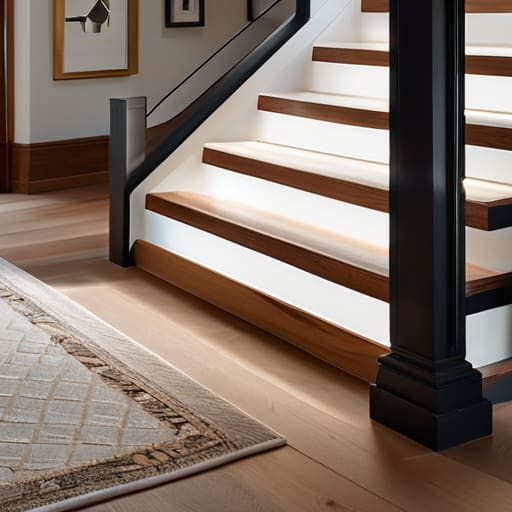
If you walk into a fixer-upper and see that chunky, beige, wall-to-wall carpet hugging the steps, don’t panic. That’s not a structural failure; it’s a goldmine. Replacing carpet with wood stairs is one of the highest-impact moves you can make when you’re hunting for value. Carpet is a magnet for pet hair, dust, and general grime, and it makes any entryway look dated and claustrophobic. By ripping that old padding up and exposing the bones underneath, you immediately shift the energy of the entire house from “lived-in rental” to “high-end residence.”
When I’m calculating my margins, I always look closely at staircase material costs versus the projected bump in appraisal. You don’t necessarily need to drop five figures on exotic hardwoods to see a return. Sometimes, a solid engineered oak or even a high-quality laminate can do the trick if you pair it with some sleek, minimalist trim. The goal isn’t just to make it look pretty; it’s about creating a sense of durability and permanence that buyers can actually feel under their feet. It’s about turning a visual eyesore into a centerpiece that screams equity.
Smart Staircase Safety Upgrades That Dont Sacrifice Style
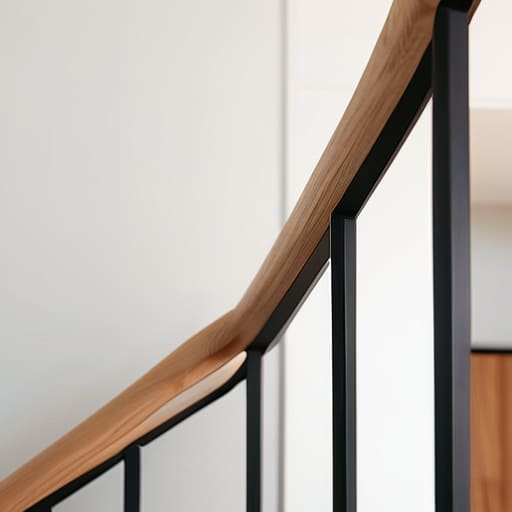
Safety shouldn’t be an afterthought, but it also shouldn’t look like a high school gymnasium. When I’m walking a job site, I often see homeowners trying to patch up old, wobbly handrails with cheap, hardware-store fixes. That’s a mistake. Instead, look into custom stair railing options like slim black iron spindles or even frameless glass. These aren’t just aesthetic choices; they provide the structural integrity needed to pass inspection while leaning into those modern staircase design ideas that buyers are currently obsessed with.
If you’re working with a tighter budget, you don’t always need a total overhaul to make a difference. Sometimes, the smartest move is simply refinishing wooden stairs that are structurally sound but look tired and worn. A fresh coat of a high-quality, slip-resistant matte sealer can transform a dingy flight into a focal point. Just remember: never prioritize the “look” over the grip. I’ve seen too many beautiful, high-gloss installs turn into slip-and-fall hazards, and nothing kills your ROI faster than a liability issue during a walkthrough.
5 High-Impact Moves to Maximize Your Staircase ROI
- Swap out those generic, builder-grade spindles for something with actual character, like matte black iron or slim oak balusters, to instantly elevate the entire floor plan.
- Don’t overlook the lighting; ditch the dim, single-bulb overhead and install low-profile LED step lights or a statement pendant to turn a dark transit zone into a focal point.
- If your handrails feel flimsy or dated, reinforce them with a solid wood rail—it’s a small structural tweak that makes the space feel premium and much more expensive.
- Use the “dead space” underneath your stairs to create functional value, whether that’s a custom built-in nook or extra storage, rather than letting it become a dusty graveyard for old boxes.
- Pay attention to the transition points; ensure your new stair treads meet your flooring seamlessly, because nothing kills a high-end renovation vibe faster than a sloppy, uneven gap.
The Bottom Line on Your Staircase ROI
Stop viewing a dated staircase as a structural headache; view it as a high-visibility opportunity to swap cheap, worn-out materials for finishes that command a higher asking price.
Never sacrifice safety for the sake of a “look,” because a beautiful staircase that feels unstable is a liability that will kill your deal during a home inspection.
Focus your budget on high-impact, tactile upgrades like handrails and treads, because these are the exact details that make a potential buyer feel the quality of the home the moment they walk up.
## The ROI of the Stairwell
“Stop looking at a staircase as just a way to get from point A to point B; start seeing it as a vertical piece of real estate that can either drain your budget or drive your appraisal through the roof.”
Gareth Trelawny
Making the Move from Dated to Profitable
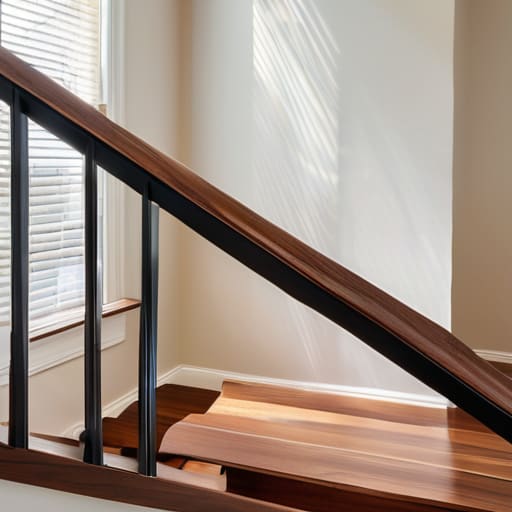
At the end of the day, a staircase renovation isn’t just about picking out a prettier handrail or finally ripping up that crusty, stained carpet. It’s about recognizing that these central architectural bones are often the most overlooked value-add opportunities in a house. Whether you’re opting for the high-end look of hardwood treads to boost your resale value or implementing smart, sleek safety upgrades that keep the home functional without looking like a hospital hallway, every choice you make should serve your bottom line. Don’t get bogged down in the minor details; focus on the strategic upgrades that actually move the needle on your appraisal.
I know that staring at a demo site can feel overwhelming, especially when you’re knee-deep in sawdust and wondering if you’ve bitten off more than you can chew. But remember, I didn’t build my portfolio by avoiding the messy stuff—I built it by leaning into it. Every crumbling spindle or outdated landing is just a chance to manufacture equity where others only see a headache. Grab your laser measurer, stay focused on the math, and get to work. The profit is waiting on the other side of that renovation.
Frequently Asked Questions
How much should I actually budget for a full staircase overhaul versus just a cosmetic refresh?
Look, don’t let a contractor’s quote blindside you. For a cosmetic refresh—think new paint, updated handrails, or swapping out old treads—budget roughly $500 to $2,000 per flight. But if you’re talking a full structural overhaul, like ripping out a dated winding staircase to install something modern, you’re looking at $5,000 to $15,000+. Always keep a 15% contingency fund tucked away; once you pull up those old treads, you never know what’s hiding underneath.
If I'm working with a tight timeline, can I refinish my existing treads instead of ripping them all out?
Absolutely. If you’re racing against a closing date or just trying to keep your rehab budget from spiraling, refinishing is your best friend. Ripping out stairs is a massive, time-consuming headache that can throw your whole schedule off. If the underlying structure is solid, just sand them down, patch the gouges, and apply a high-quality stain. It’s faster, cheaper, and still gives you that high-end look that drives up your ROI.
Are there specific materials or styles that are currently driving the highest ROI in the resale market?
Right now, it’s all about the “clean” look. If you want the highest ROI, skip the ornate spindles and go for slim, matte black metal balusters paired with wide oak treads. That minimalist, industrial edge is what buyers are hunting for. I also see massive returns on glass railings in modern builds, but for most flips, a simple, high-quality hardwood finish is your safest bet for turning a quick profit.
